Learn how glazed porcelain tile balances beauty and durability. Discover key standards, selection criteria, installation, and maintenance tips.
Learn how hydraulic cement stops active water leaks, cures underwater, and compares to alternative concrete repair methods.
Learn how to safely clean glazed porcelain tile, avoid permanent chemical etching, and protect your flooring investment with our expert guide.
Stop active concrete leaks with hydraulic cement. Learn step-by-step crack preparation, mixing, and curing to ensure a permanent, watertight seal.
Learn how hydraulic cement works to stop active leaks instantly, its critical limitations, and expert application techniques for concrete repair.
Slate tiles have long been celebrated for their elegance, durability, and timeless appeal. As one of the most versatile natural stones, slate has become a favorite for homeowners, architects, and builders alike.
Slate tiles are a popular choice for flooring, wall cladding, and even roofing due to their natural beauty, durability, and resistance to stains. However, like all natural stone materials, slate requires proper care and maintenance to ensure its longevity and beauty.
Slate tiles are renowned for their unique, natural beauty and exceptional durability. Whether you're using slate for flooring, walls, or countertops, it's essential to treat the material with care to ensure its longevity and to keep it looking pristine.
Slate tiles are a popular choice for many residential and commercial spaces due to their natural beauty, durability, and unique appearance. While slate is known for its resistance to dirt and stains, it does require proper care to maintain its beauty and longevity.
When it comes to choosing the perfect material for your bathroom, slate tile often stands out as a versatile and stylish option. Its natural beauty, durability, and easy maintenance make it a popular choice for both modern and traditional bathroom designs.
Black River Pebbles are a stylish addition to any garden, known for their smooth texture and dark elegance. These pebbles bring both beauty and practicality to landscaping projects. In this article, we will explore 10 creative ways to incorporate River Pebbles into your outdoor design. You’ll learn how these pebbles can elevate your garden's aesthetic and functionality.
River pebbles are a popular choice for landscaping, adding texture and visual appeal to gardens. With their smooth edges and vibrant colors, they enhance any outdoor space. But should you choose polished or natural river pebbles for your garden? In this article, we will explore the differences between polished and natural river pebbles. You will learn about their aesthetic appeal, cost considerations, and maintenance needs, helping you make an informed decision for your garden.
Modern garden designs are embracing minimalism in 2025, focusing on simplicity and clean lines. Grey, once considered a neutral backdrop, now dominates gardens for its versatility and calming effect. Pebbles play a key role, adding texture and visual interest to grey-themed spaces. In this article, you will learn how minimalist designs with grey and pebbles can transform your garden into a tranquil retreat.
Cement is a vital element in construction, from towering skyscrapers to cozy homes. However, not all cement is the same. The choice between hydraulic cement and non-hydraulic cement can affect the strength, durability, and cost of your project. In this article, you will learn about the key differences between these two types of cement. We will explore their properties, uses, and why choosing the right one matters for your project.
Slate stone tiles are a popular choice for adding natural beauty and durability to any space. Whether used indoors or outdoors, these versatile tiles can transform your design. But how do you decide where to use them? In this article, we will explore the benefits and considerations of using slate stone tiles in different spaces. You’ll learn how to choose the right slate for your project and enhance your home or garden's look.
Glass cullet is one of the most essential materials in the glass manufacturing industry, playing a key role in recycling and sustainable production practices. By recycling cullet, manufacturers reduce energy consumption, raw material usage, and waste. In this article, we will explore the different t
How Long Does It Take for Portland Cement to Dry?Portland cement is one of the most widely used construction materials worldwide, known for its strength and versatility. Whether you're building a driveway, a foundation, or any other concrete structure, understanding the drying time of Portland cemen
Portland cement is an essential material in modern construction, and its use spans a variety of industries, from infrastructure to residential buildings. Since its invention in the early 19th century, Portland cement has revolutionized construction, enabling the creation of structures that are durab
Is Portland Cement Waterproof?Portland cement is one of the most widely used materials in construction. However, a common question arises: Is Portland cement waterproof? In its natural state, Portland cement is not waterproof, but there are various ways to enhance its water resistance. In this artic
Cement plays a vital role in the construction industry, serving as a binding agent in the creation of concrete, mortar, and other materials. Among the various types of cement, Portland cement stands out as the most commonly used. However, the term regular cement is often used interchangeably with Po
Recycled Glass Cullet for Sustainable Paving & Landscaping
Transform waste glass into durable, eco-friendly paving material with 35-41% recycled content. This premium-grade aggregate reduces landfill waste while offering vibrant colors and light-reflective properties for decorative applications.
- Available in 4-30 mesh sizes (4-6/6-8/10-20/16-30) for versatile paving and landscaping uses
- Color options: Golden Yellow, Black, Brown, Grey, White, Beige for customized designs
- Applications: Paving, bonsai decoration, fish tanks, courtyards, and office buildings
- Certified for LEED/BREEAM projects with 30% lower energy consumption vs virgin materials
| Availability: | |
|---|---|
| Quantity: | |
Name |
Glass crumb |
Size |
4-6 mesh/6-8 mesh/10-20 mesh/16-30 mesh |
Color |
Golden Yellow, Black, Brown, Grey, White, Beige |
Application |
Fish tank, Bonsai, Paving |
Quality |
Top Grade |
Application |
Courtyard, Office Building, Decoration |
This environmentally responsible product utilizes 35-41% recycled glass content—primarily post-consumer and post-industrial glass waste diverted from landfills—reducing the demand for virgin raw materials in construction . Our glass cullet undergoes rigorous processing to remove impurities, resulting in a consistent, high-quality aggregate suitable for various paving applications. Beyond its environmental benefits, glass cullet offers unique aesthetic properties, including light-reflective characteristics that create dynamic visual effects in outdoor spaces. Each tonne of glass cullet used in paving applications contributes to significant environmental savings, including reduced energy consumption in manufacturing and decreased greenhouse gas emissions—with the flat glass sector alone saving approximately 70,000 tonnes of CO₂ annually through recycling initiatives . This combination of sustainability, durability, and visual appeal makes eco-friendly glass cullet an increasingly popular choice for environmentally conscious builders, designers, and homeowners.
The defining feature of eco-friendly glass cullet is its exceptional environmental performance, starting with its high recycled content of 35-41% sourced from waste glass that would otherwise occupy landfill space . The recycling process for glass cullet requires significantly less energy than producing virgin glass aggregate—consuming up to 30% less energy and reducing associated carbon emissions . By utilizing our glass cullet, construction projects earn valuable sustainability credits toward green building certifications such as LEED and BREEAM. The material's production supports circular economy principles by closing the loop on glass waste, with each tonne of recycled glass saving approximately 1.2 tonnes of raw materials, including silica sand, soda ash, and limestone . Additionally, our cullet recycling program prevents thousands of tonnes of glass from entering landfills annually, reducing the environmental impact of waste disposal and extending landfill lifespans.
Despite its sustainable credentials, eco-friendly glass cullet does not compromise on performance, offering durability comparable to traditional paving aggregates. The processed cullet particles are resistant to weathering, maintaining their integrity through freeze-thaw cycles that degrade many natural aggregates. Glass cullet exhibits high compressive strength suitable for pedestrian and light vehicular traffic areas, with properly installed applications supporting weights up to 200kg/m². The material is inert and resistant to chemical attack, making it suitable for use in areas exposed to de-icing salts, fertilizers, and other common outdoor chemicals. Unlike organic materials that decompose over time, glass cullet is non-biodegradable and maintains its structural integrity for decades, providing long service life with minimal maintenance requirements. Its smooth surface reduces water absorption, preventing moisture-related damage in outdoor applications.
Eco-friendly glass cullet brings distinctive visual characteristics to paving applications that cannot be replicated with traditional materials. The translucent to semi-transparent nature of glass particles creates light-reflective properties that enhance outdoor spaces, with colors appearing to shift depending on lighting conditions. Available in a range of colors—including clear, amber, green, and blue—cullet can be blended to create custom color combinations that complement landscape designs. When incorporated into resin-bound or resin-bonded systems, the glass particles create a smooth, decorative surface with subtle sparkle that enhances evening ambiance when illuminated. The uniform particle size distribution ensures consistent appearance across large areas, while variations in individual pieces add visual interest without creating a chaotic effect. These unique aesthetic properties make glass cullet particularly popular for feature areas, pathways, and decorative borders in sustainable landscape designs.
Eco-friendly glass cullet demonstrates excellent compatibility with various paving systems, enhancing its versatility across construction applications. It performs exceptionally well in resin-bound systems, where glass particles are mixed with clear UV-stable resin and troweled onto surfaces to create smooth, permeable pavements. In resin-bonded applications, cullet is scattered over wet resin to create decorative textured surfaces with high slip resistance. The material can also be incorporated into concrete mixes to create decorative precast paving stones with visible glass aggregate. Its inert nature ensures compatibility with various binders, including polyurethane, epoxy, and polyester resins, as well as cementitious materials. Glass cullet works effectively in both monochromatic and multicolored installations, adapting to diverse design visions from minimalist modern to eclectic artistic expressions. This versatility allows it to transition seamlessly between different functional areas within a landscape design.
Eco-friendly glass cullet finds extensive application in sustainable landscape design, creating beautiful, environmentally responsible outdoor spaces. Residential gardens utilize glass cullet pathways that provide visual interest while demonstrating environmental commitment . These pathways offer good drainage properties, reducing water runoff and supporting sustainable site hydrology. Public parks and botanical gardens incorporate glass cullet features to educate visitors about recycling while creating visually striking landscapes. The material works beautifully in meditation gardens and sensory spaces, where its reflective properties enhance the calming atmosphere. Landscape designers specify glass cullet for decorative borders around planting beds, combining sustainability with aesthetic appeal. Its light-reflective qualities make it ideal for moon gardens designed to be enjoyed during evening hours, as the glass particles catch and reflect moonlight.
Commercial properties and institutions leverage eco-friendly glass cullet to demonstrate corporate social responsibility while enhancing their built environments. Retail centers use glass cullet paving in courtyard areas and walkways, creating memorable customer experiences that align with brand values . Corporate campuses incorporate the material into outdoor meeting spaces and pedestrian plazas, reflecting environmental commitment to employees and visitors. Educational institutions—from schools to universities—install glass cullet features to teach sustainability principles while creating durable outdoor learning spaces. Museums and cultural centers utilize the material in outdoor exhibition areas, where its aesthetic properties complement architectural designs while conveying environmental messages. Hospitality properties such as eco-resorts and green hotels specify glass cullet for patio areas and pool surrounds, appealing to environmentally conscious guests seeking sustainable travel options.
Beyond standard paving, eco-friendly glass cullet excels in specialized applications that capitalize on its unique properties. It creates stunning decorative elements in water features and fountain surrounds, where light reflection enhances the aquatic environment. Glass cullet is used in green roof systems for pathway creation, providing stable surfaces that complement vegetation while maintaining lightweight characteristics critical for rooftop applications. The material works effectively in permeable paving systems that manage stormwater runoff, allowing water infiltration while preventing soil erosion. In heritage restoration projects, it can be used to create modern interpretive elements that contrast with historic structures while maintaining sustainable construction practices. Event venues utilize temporary glass cullet installations for festivals, weddings, and corporate functions, creating memorable surfaces that align with sustainable event goals. Additionally, it finds application in memorial sites, where customized color blends create meaningful visual tributes with minimal environmental impact.
To maintain the quality of eco-friendly glass cullet before use, store it in dry, covered containers or bags to prevent moisture absorption and contamination . The storage area should be level, well-drained, and protected from precipitation to avoid water pooling around stored material. For bulk quantities, use covered bins or silos with proper drainage systems to maintain material dryness. Keep different colors and particle sizes segregated to prevent cross-contamination and maintain design integrity. The storage facility should be well-ventilated to prevent dust accumulation while protecting the material from strong winds that could cause particle separation. If stored outdoors temporarily, ensure complete coverage with waterproof tarpaulins secured to prevent wind damage and moisture intrusion.
When handling eco-friendly glass cullet, take precautions to ensure safety and material integrity. Wear appropriate personal protective equipment, including safety glasses, gloves, and dust masks, particularly when handling dry material . Use mechanical handling equipment designed for aggregate materials to minimize dust generation and reduce manual labor requirements. When transferring material between containers, use enclosed systems where possible to contain dust. Avoid dropping or impacting the material excessively, as this can cause breakage of larger particles and create excessive fines. For bagged material, use proper lifting techniques or mechanical aids to prevent back injuries, as filled bags can be heavy . During transportation, secure loads properly to prevent shifting, which can cause particle size segregation and potential damage to packaging.
To maintain the quality of eco-friendly glass cullet, protect it from contamination by other materials such as soil, concrete, or organic debris. Store cullet away from areas where chemical spills could occur, as some substances might stain or affect the glass particles. Before use, inspect the material for any signs of moisture clumping, which can be broken up with appropriate equipment if necessary. Avoid prolonged storage in direct sunlight, which can cause temperature-related expansion and contraction that may affect particle integrity. If material has been stored for extended periods (more than 6 months), inspect it for any signs of degradation or contamination before incorporating it into critical applications. By following these storage and handling guidelines, you ensure that the eco-friendly glass cullet maintains its performance characteristics, aesthetic qualities, and environmental benefits through to installation and throughout its service life.


As a premier manufacturer and supplier of sustainable landscaping materials, we introduce our Recycled Glass Cullet. Engineered for modern construction and decorative projects, this premium aggregate transforms post-consumer waste into a high-performance resource.
35-41% recycled glass content
Available in 4 to 30 mesh sizes
Tumbled finish with zero sharp edges
Ideal for paving, terrazzo, and horticulture
Elevate your architectural and landscaping projects with our meticulously processed recycled glass cullet. When you run your hands through this aggregate, you will feel the exceptionally smooth, tumbled texture—a result of our rigorous abrasive finishing that completely eradicates hazardous sharp edges. Visually, the translucent and semi-transparent granules catch ambient light, creating a subtle, dynamic shimmer that shifts from dawn to dusk. This captivating light refraction breathes life into resin-bound pathways, terrazzo floors, and decorative fire pits, delivering an aesthetic depth that traditional stone or gravel simply cannot match.
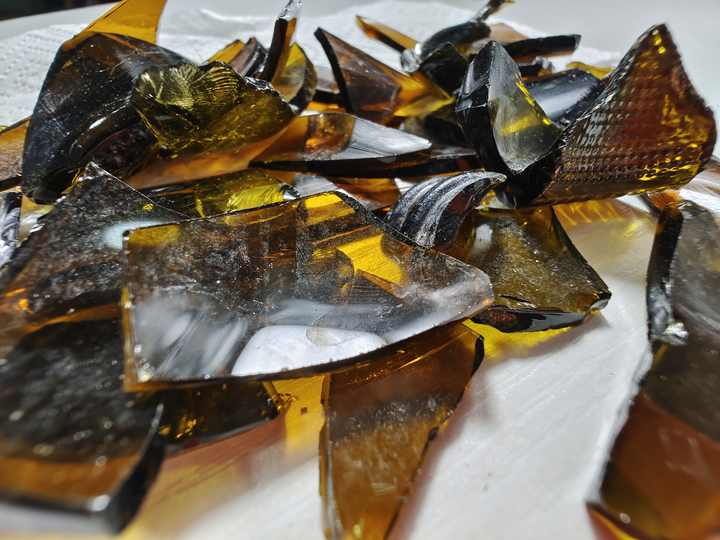
Beyond its striking appearance, this glass crumb acts as a highly functional, inert foundation for demanding environments. It emits no chemical odors and remains completely unaffected by harsh weather cycles, de-icing salts, or heavy pedestrian traffic. By replacing virgin raw materials with this sustainable alternative, procurement teams and project managers can dramatically lower the carbon footprint of their developments. The material settles with a satisfying, dense crunch underfoot when used as a loose fill, yet binds seamlessly with epoxies and cements to form a monolithic, virtually indestructible surface.
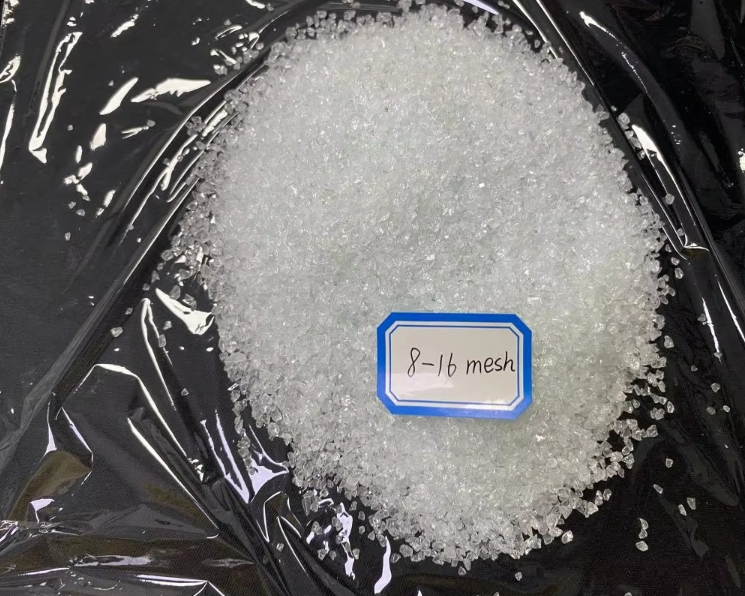
Product Name |
Recycled Glass Cullet / Glass Crumb |
|---|---|
Mesh Size |
4-6 mesh, 6-8 mesh, 10-20 mesh, 16-30 mesh |
Available Colors |
Golden Yellow, Black, Brown, Grey, White, Beige, Clear, Amber, Green, Blue |
Recycled Content |
35-41% post-consumer and post-industrial glass waste |
Compressive Strength |
Up to 200kg/m² (when properly installed) |
Material Properties |
Inert, non-biodegradable, chemical resistant, low water absorption, translucent/semi-transparent |
Safety & Processing |
Rigorously processed, tumbled, no sharp edges |
Quality Grade |
Top Grade |
Primary Applications |
Paving, Bonsai, Fish tank, Courtyard, Office Building, Decoration, Resin-bound systems, Fire pits, Terrazzo |
Storage Conditions |
Dry, covered containers/bags, well-ventilated, away from direct sunlight and moisture |
Our recycled glass cullet is engineered to deliver uncompromising performance while solving critical design and environmental challenges for large-scale developments and commercial installations.
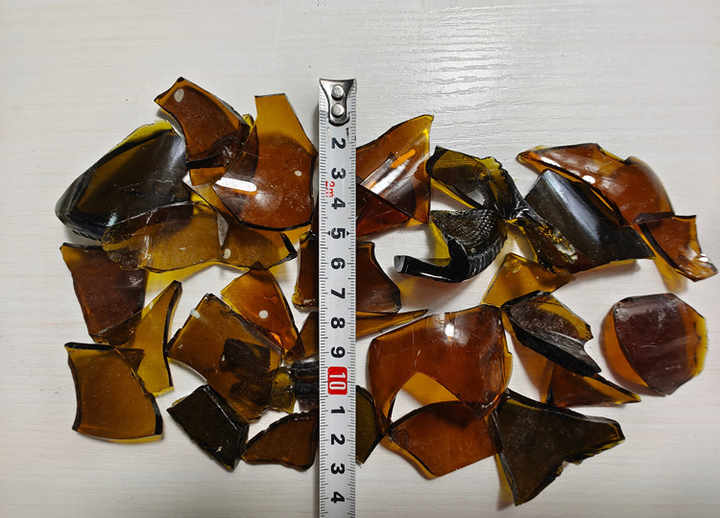
Exceptional Structural Integrity: Capable of supporting compressive loads up to 200kg/m² when properly installed, ensuring long-lasting stability for pedestrian walkways and light vehicular traffic zones.
Weather and Chemical Resistance: The non-porous, inert nature of the glass repels moisture, preventing freeze-thaw fracturing while resisting degradation from fertilizers, de-icing salts, and harsh outdoor elements.
Zero-Fade Coloration: Unlike dyed mulches or synthetic aggregates, the intrinsic color of the glass remains vibrant and UV-stable for decades, eliminating the need for costly top-dressing or seasonal replacement.
Seamless Binder Compatibility: Formulated to bond flawlessly with polyurethane, epoxy, and cementitious matrices, preventing aggregate loss in high-traffic resin-bound systems.
Maintenance-Free Longevity: Non-biodegradable and highly resistant to organic decay, this material drastically reduces ongoing maintenance labor and lifecycle costs for facility managers.
Understanding the multifaceted demands of modern construction and landscaping, our glass cullet is refined to excel across a spectrum of specialized applications. Each dimension of our product is optimized to add tangible value to your projects.
Manufactured utilizing 35-41% post-consumer and post-industrial glass waste, this aggregate actively diverts material from overburdened landfills. The production process requires 30% less energy compared to processing virgin materials. Incorporating this eco-friendly alternative helps architectural projects secure vital sustainability credits for LEED and BREEAM certifications, making it an essential component for corporate social responsibility and ESG compliance.
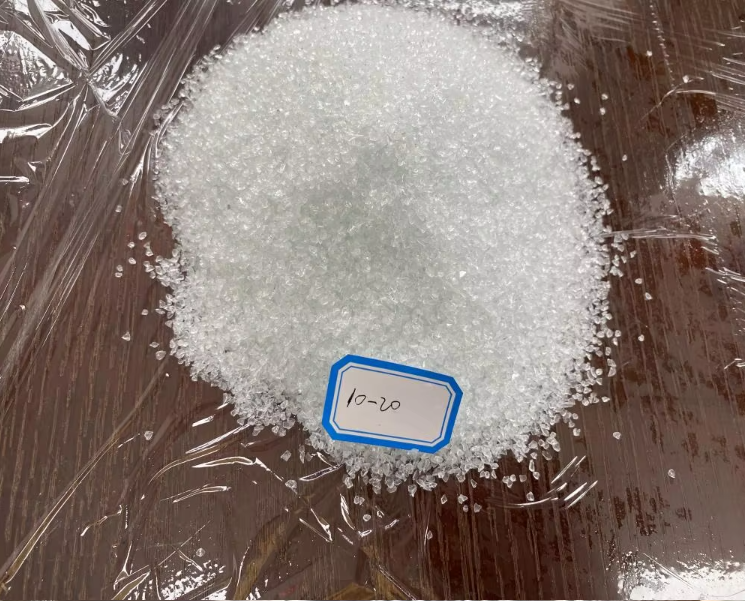
Safety is engineered into every granule. Through an intensive tumbling and crushing process, all sharp edges are meticulously smoothed away. This guarantees absolute physical safety for sensitive installations, including public parks, school courtyards, and pet-friendly zones, entirely eliminating the liability risks associated with untreated broken glass.
Boasting a compressive strength capacity of up to 200kg/m², this material rivals traditional mineral aggregates. Its inert properties mean it will never rot, degrade, or succumb to chemical corrosion from environmental exposure. This extraordinary durability translates to a lifespan spanning decades with virtually zero maintenance requirements.
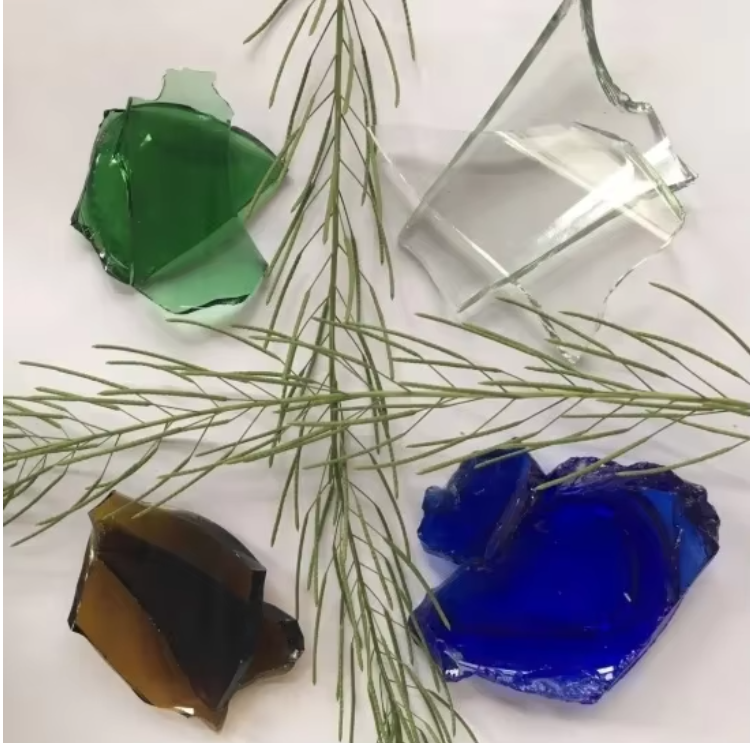
Serving as an innovative alternative to organic mulch, our glass crumb provides superior water permeability and moisture retention, crucial for effective stormwater management. Furthermore, the glass slowly releases beneficial silicic acid into the soil, which strengthens plant cell walls and stimulates robust root development in bonsai and commercial planting beds.
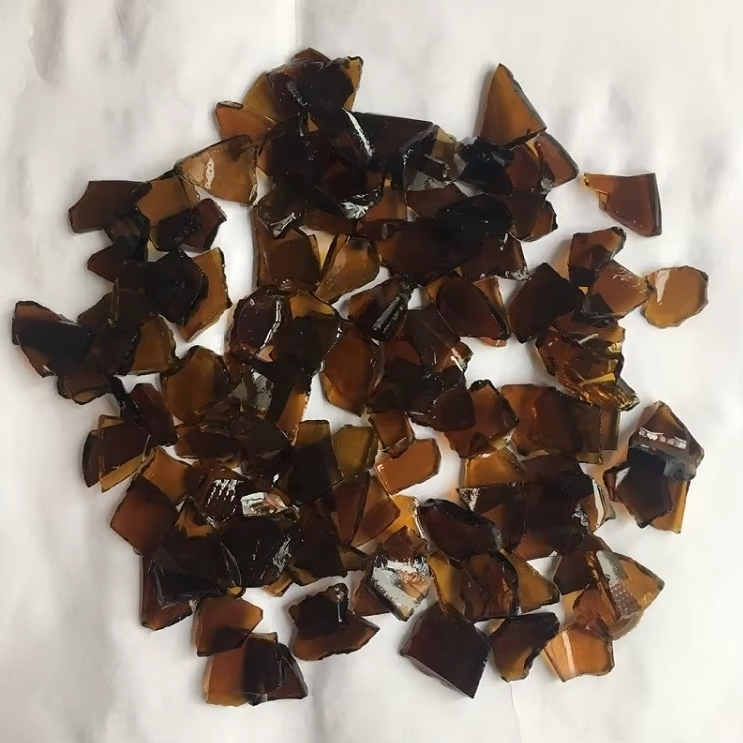
The semi-transparent nature of the cullet creates a mesmerizing visual texture through light refraction. Available in precise gradations from 4 to 30 mesh and a palette of over ten permanent colors, it allows landscape architects to execute intricate, custom color blends. From minimalist corporate plazas to vibrant artistic mosaics, the design possibilities are limitless.
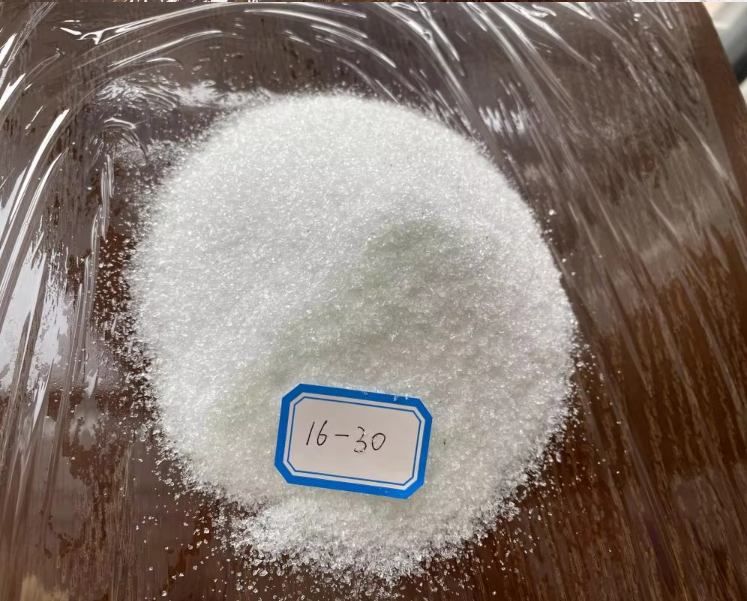
Chemically compatible with a wide array of binders including polyurethane, epoxy, and cement, this aggregate is highly adaptable. It is the material of choice for resin-bound paving, permeable driveways, custom terrazzo flooring, aquatic scaping, and high-temperature fire pit installations.
We supply this premium material in robust, flexible packaging configurations tailored to accommodate projects of any scale. The packaging is rigorously designed to prevent moisture ingress and cross-contamination. We provide comprehensive guidelines for mechanized handling, dust mitigation, and long-term storage to ensure the product arrives and remains in pristine condition.
Partnering with a dedicated manufacturer ensures that your supply chain remains resilient, cost-effective, and quality-driven. We understand the stringent requirements of large-scale procurement and project execution.
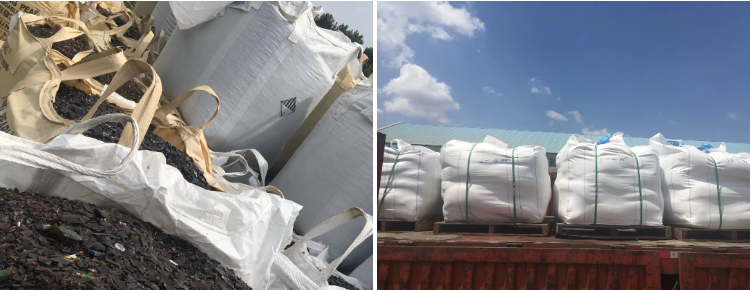
Consistent Grading and Quality: Our advanced sieving technology guarantees uniform particle size distribution across every batch, preventing structural weak points in your paving installations.
Scalable Production Capacity: Equipped to handle massive volume requirements, we ensure uninterrupted material flow to keep your construction timelines strictly on schedule.
Custom Blending Services: We offer bespoke color and size mixing tailored to your specific architectural blueprints, delivering a ready-to-use product straight to the site.
Stringent Quality Control: Every shipment undergoes rigorous laboratory testing for moisture content, purity, and edge-safety before dispatch.
Expert Technical Support: Our material engineers provide comprehensive guidance on binder ratios, substrate preparation, and installation best practices to guarantee project success.
Review our technical insights to better understand how our recycled glass cullet integrates into your specific project requirements.
When properly installed with high-quality polyurethane or epoxy binders, our glass cullet achieves a compressive strength of up to 200kg/m². This makes it highly comparable to natural quartz or granite aggregates, easily accommodating heavy pedestrian traffic and light vehicular loads without fracturing.
No. Unlike dyed aggregates or organic mulches, the colors in our glass cullet are intrinsic to the glass itself. They are 100% UV-stable and will never fade, discolor, or wash out, ensuring your landscape or paving retains its original aesthetic permanently.
Absolutely. Our rigorous tumbling process completely removes all sharp edges, resulting in a smooth, safe texture. It is entirely safe for barefoot walking around pools, children's play areas, and poses no hazard to aquatic life when used in fish tanks or ponds.
We strongly recommend storing the cullet in its original covered containers or bulk bags in a dry, well-ventilated area. It must be kept away from direct precipitation and ground moisture. If stored outdoors, it should be elevated on pallets and securely covered with waterproof tarpaulins to ensure optimal bonding with resins during application.
Yes. Because our product utilizes 35-41% post-consumer and post-industrial recycled content, specifying this material directly contributes to earning points under sustainable building frameworks like LEED and BREEAM, particularly in categories related to materials and resources, and innovative design.
Our glass cullet is chemically inert and has a neutral impact on soil pH. However, it does slowly release beneficial silicic acid over time, which aids in strengthening plant cell walls and improving overall plant resilience without disrupting the existing soil chemistry.