
Views: 0 Author: Site Editor Publish Time: 2026-06-02 Origin: Site
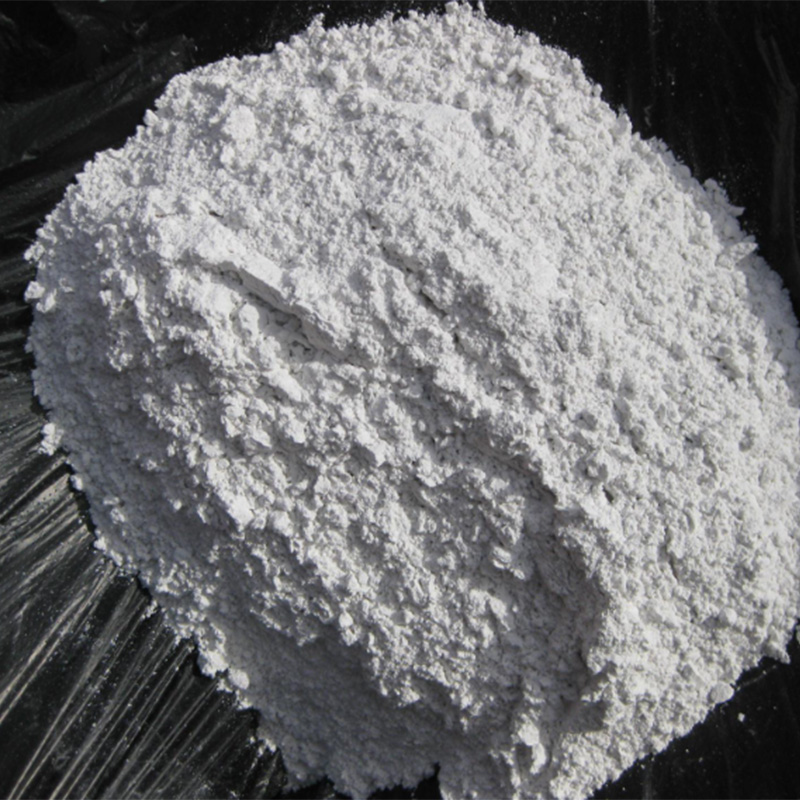
Unmitigated water intrusion in concrete structures leads to rapid degradation. It compromises structural integrity and often forces costly facility downtime. Facility managers and building owners face immense pressure to address active leaks before they escalate into catastrophic foundation failures. Standard patching compounds wash away under hydrostatic pressure, leaving a critical gap in emergency maintenance.
This is where hydraulic cement proves indispensable. It provides an immediate, structural-grade seal that cures directly under active water pressure. However, its effectiveness relies entirely on precise site preparation and flawless mixing execution. A rushed or improperly prepped patch will inevitably fail, allowing water to breach the structure once again.
This guide outlines the standard operating procedure for evaluating, preparing, and applying this specialized material. You will learn the exact steps required to ensure a permanent, watertight seal. We provide clear parameters to help you fix critical leaks quickly without compromising the surrounding masonry.
Strict Working Window: Initial set occurs within 3 to 5 minutes; all tools and surface preparation must be finalized before mixing begins.
Critical Geometry: Cracks must be mechanically undercut (inverted wedge shape) to at least 1/2-inch depth and width to mechanically lock the expanding cement in place.
Moisture Dependency: Substrates must be brought to a Saturated Surface Dry (SSD) condition to ensure proper C-S-H gel formation and prevent the existing concrete from sapping moisture from the mix.
Application Boundaries: It is a rigid, non-structural patching compound; it should never be specified for expansion joints, dynamic cracks, or as a substitute for primary exterior drainage.
Before you mix a single batch, you must understand how this material behaves in the field. Decision-stage framing prevents costly misapplications. You need to identify appropriate use cases and acknowledge the hard limitations of the product.
Unlike standard patching compounds, this material reacts rapidly when exposed to moisture. The dry powder contains highly reactive phases. When they combine with water, they form a dense calcium silicate hydrate (C-S-H) gel almost instantly. It undergoes a micro-expansion during the curing process. This slight swelling forces the material deeply into the microscopic pores of the surrounding concrete. The result is a tightly wedged, highly impermeable seal that can withstand immense hydrostatic head pressure. It blocks water effectively precisely because it expands as it hardens.
You will see the best results when deploying it for immediate, localized repairs. It excels at arresting active hydrostatic leaks in below-grade environments. We routinely recommend it for basements, elevator pits, manholes, and utility penetrations.
It also serves as an excellent material for emergency rapid-setting anchoring and grouting. When business continuity requires minimal facility downtime, you can use it to secure heavy machinery bolts or anchor railings. The fast chemical reaction means you achieve functional structural strength in minutes rather than days.
Understanding when to walk away prevents premature failures. Because this compound cures into a solid, rigid mass, it cannot accommodate dynamic movement. It will inevitably crack and fail if applied to expansion joints, moving seams, or cracks experiencing ongoing structural settling.
Furthermore, never treat it as a broad-coverage surface replacement. It is simply not designed for large-scale waterproofing across entire walls or floors. For comprehensive surface repairs, traditional Portland Cement for Construction or a specialized Custom building material overlay remains the required engineering standard.
Application Characteristic | Suitable Use Cases | Unsuitable Use Cases (Avoid) |
|---|---|---|
Leak Type | Active, localized hydrostatic leaks | Broad, weeping surface condensation |
Crack Dynamics | Static, non-moving foundation cracks | Dynamic expansion joints or settling cracks |
Scale of Repair | Small penetrations, pipe surrounds, tie holes | Large floor leveling or full wall resurfacing |
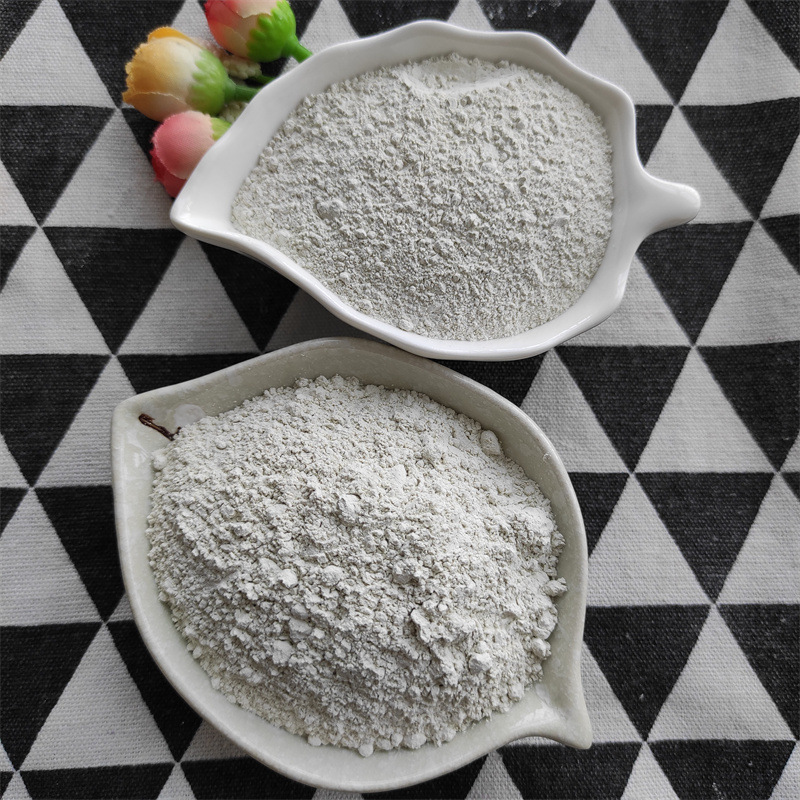
Implementation realities dictate that preparation is just as important as the material itself. The technical requirements for a successful bond demand meticulous attention to the physical and chemical state of the concrete. A superficial wipe-down will lead to a blowout under pressure.
Safety comes first. The dry powder contains highly alkaline components. These become aggressively corrosive upon contact with any moisture, including the sweat on your skin or the mucous membranes in your lungs. You must wear appropriate Personal Protective Equipment (PPE). Respirators, heavy-duty nitrile or rubber gloves, and wrap-around eye protection are non-negotiable. Ensure adequate ventilation if you are working in a confined elevator pit or utility manhole.
You cannot bond new cement to dirt, grease, or decaying biological growth. Follow a strict cleaning regimen before doing any physical modification.
Remove Debris: Scrape away all loose spalling, existing paint, and degraded sealants.
Degrease: Treat any oil or grease spots with a commercial-grade degreaser. Rinse thoroughly.
Address Efflorescence: White mineral deposits indicate water traveling through the masonry. Remove these deposits using a diluted muriatic acid wash and a stiff wire brush.
Neutralize: Always flush the acid-washed area with clean water to neutralize the pH level. Lingering acid ruins the new cement bond.
Never apply the compound over a flush surface or into a shallow, V-shaped crack. The expanding nature of the material requires physical resistance to lock into place. You must create an "undercut."
Use a heavy hammer and a cold chisel to reshape the crack. An undercut is an inverted wedge shape where the base of the crack is wider than the surface opening. Think of a dovetail joint in woodworking. Target minimum dimensions of 1/2-inch wide by 1/2-inch deep. By shaping the cavity this way, the material expands against the angled inner walls. It physically wedges itself into the foundation, making a blowout impossible.
Once you finish chiseling, vacuum all remaining silica dust out of the cavity. You must then prepare the moisture level of the concrete. Dry concrete will rapidly siphon the water out of your fresh mix, halting the chemical hydration process and causing a brittle failure.
Soak the undercut area thoroughly. Wait a few moments, then wipe away any standing puddles. The concrete must reach a Saturated Surface Dry (SSD) state. It should look visibly dark and damp, but you should see no free-standing water pooling in the crevices. This specific condition promotes optimal adhesion and proper C-S-H gel formation.
Step-by-step execution defines the success of your repair. You must control variables tightly because you are working against a very aggressive clock. Handling active water pressure requires coordination, speed, and physical force.
The rapid 3-to-5-minute curing window leaves zero room for errors. You do not have time to search for a missing tool once water hits the powder. Stage all your margin trowels, clean mixing buckets, and measured water sources within arm's reach. Open the dry mix container only when you are completely ready to begin the physical application.
Do not mix the entire bucket. You must adopt a small-batch strategy. Mix only what you can safely handle and push into the wall within three minutes. Small, manageable batches prevent the material from hardening in your bucket, which causes unnecessary material waste and delays the project.
Place your measured powder into the bucket. Gradually add clean, room-temperature water. Stir aggressively. You want to reach a stiff, moldable consistency quickly. Professionals often compare the ideal texture to heavy modeling clay or thick peanut butter. If the mix looks like pancake batter, you added too much water. It will lack the structural integrity needed to withstand active flow. Discard overly wet batches and start again.
Speed and pressure govern the application phase. Wear heavy gloves to protect your hands from the exothermic heat and high alkalinity.
Form the Wedge: Take a handful of the stiff mix and manually roll it into a carrot or wedge shape that roughly matches the profile of your undercut crack.
Force it Deep: Push the material deeply into the cavity. Work systematically from the top down. If you face a localized, high-pressure leak, work from the outer edges inward, driving the water toward the center before placing the final plug.
Handle Active Leaks: For aggressive, active water flow, you cannot just wipe the material on and step back. Place the plug over the hole and maintain firm, constant hand pressure. Hold it in place until you feel the initial thermal set occur—the material will physically heat up in your hand. Once it becomes warm and rigid, it can independently resist the hydrostatic head pressure.
Project finalization does not end when the leak stops. Ensuring long-term performance requires careful attention to the environment. Premature failures often trace back to poor curing practices rather than poor mixing.
Ambient conditions drastically alter the chemical reaction speed. Application should strictly occur within an ambient and substrate temperature range of 45°F to 90°F (7°C to 32°C).
Extreme heat accelerates an already rapid set time. At 90°F, you might only have 60 seconds of working time. Conversely, cold environments retard the chemical reaction. If the substrate drops below 45°F, the material may fail to reach its initial set, allowing active water to wash it away. During cold weather, store the dry powder in a heated room and use warm mixing water to stimulate the chemical process.
Temperature Range | Effect on Material | Required Adjustment |
|---|---|---|
Below 45°F (7°C) | Reaction slows or halts entirely. Material washes away. | Use warm mixing water; heat the ambient workspace. |
45°F to 75°F (7°C - 24°C) | Standard 3 to 5 minute working window. | Standard procedure. No adjustment needed. |
75°F to 90°F (24°C - 32°C) | Flash setting occurs in 1 to 2 minutes. | Use ice water for mixing; keep dry powder shaded. |
Once the patch is firm to the touch, you must manage its hydration. Full compressive strength develops over time, and the compound requires moisture to sustain the C-S-H gel formation. Lightly mist the repaired area periodically over the next 24 hours. A standard garden spray bottle works perfectly. Keeping the surface slightly damp prevents flash-drying. Flash-drying leads directly to micro-shrinkage cracking, which eventually allows water back into the facility.
Many contractors rush to paint over a fresh patch to hide the repair. You must wait. Allow the material to fully cure before applying any topcoats. This typically takes 24 to 48 hours, depending heavily on the local humidity and specific mix design. Once fully cured, the surface readily accepts crystalline waterproofers, elastomeric paints, or heavy-duty epoxy sealers.
Technical applications only matter if they drive operational outcomes. Facility managers view structural leaks through the lens of risk and financial liability. Connecting this repair methodology to broader maintenance goals highlights its true value.
When an elevator pit floods or a utility tunnel breaches, operations halt. Fast-setting formulations allow facility managers to address localized water intrusion immediately. You do not need to wait weeks for specialized injection contractors to arrive. By stopping the active flow in minutes, you protect sensitive electrical equipment and dry inventory. Operational zones remain open, and revenue-generating activities continue without major interruption.
Proactively sealing minor foundation penetrations saves immense amounts of capital. Water creates its own path of least resistance. A minor weeping crack today becomes a major structural failure during the next heavy storm. By taking swift action, you prevent escalating hydrostatic damage. This defers the need for mass exterior excavation, foundation trenching, or complete structural overhauls.
We must position this repair technique as the first line of defense in a broader strategy. It successfully seals the immediate interior breach. However, it does not remove the water pressure pressing against the exterior of the building.
Once you stop the active interior leak, your team gains the time needed to investigate the root cause. You can subsequently assess exterior grading issues. You can clean out clogged French drains or upgrade sump pump efficacy. Managing the exterior water load ensures the interior patch lasts for the lifetime of the structure.
Stopping active water intrusion demands precision, speed, and a solid understanding of material science. The critical path to success relies on three distinct pillars: achieving the correct inverted undercut geometry, maintaining strict moisture management through the SSD state, and executing a rapid, forceful application.
While this compound serves as a formidable tool for stopping immediate, static leaks, it is only one part of building maintenance. Long-term structural health requires your team to continuously monitor for ongoing structural movement and changes in exterior hydrostatic loads.
Take action today by mapping out all active weeping cracks in your facility. Train your maintenance staff on these precise undercutting and mixing techniques. If leaks persist after localized patching, or if cracks show signs of dynamic expansion, consult a specialized structural engineering contractor to evaluate the foundation stability.
A: Yes, it undergoes a micro-expansion during its initial cure. This slight swelling allows the material to mechanically lock into the microscopic pores of the surrounding concrete, creating an exceptionally tight, impermeable seal against hydrostatic pressure.
A: No. It is strictly a rigid patching compound designed for localized leaks, cracks, and anchoring. Because it sets in minutes and lacks flexibility, resurfacing large areas requires standard Portland cement or specific self-leveling underlayments.
A: The initial thermal set occurs very rapidly, typically in 3 to 5 minutes. However, full structural cure requires up to 24 hours. You must maintain surface moisture by lightly misting the patch during this period to prevent shrinkage cracking.
A: No. The material cures into a completely rigid mass. It cannot accommodate movement. Dynamic or structural cracks experiencing ongoing settlement require flexible polyurethane injections or comprehensive foundation stabilization techniques.
