

Active water leaks present an immediate structural threat to any building. Hydrostatic pressure quickly compromises subterranean walls, foundations, and aquatic structures. When water breaches solid masonry, you need specialized repair materials. These materials must cure rapidly even in completely wet environments. Enter hydraulic cement. It operates as a rigid, fast-setting binder. It hardens rapidly through a direct chemical hydration process. Unlike conventional concrete, it expands slightly to lock firmly into place. It performs exceptionally well even fully submerged underwater.
You must approach this material armed with realistic expectations. It excels at stopping localized static leaks instantly. It also provides incredible strength for anchoring heavy structural loads. Yet, you cannot treat it as a flexible sealant. It will not flex or stretch. Furthermore, a surface patch cannot replace comprehensive external drainage systems. Structural stabilization requires broader engineering solutions. In this guide, you will learn exactly how this repair material works. We will explore high-value use cases, critical application limits, and expert field preparation techniques.
Curing Mechanism: Hardens via a chemical reaction with water (forming C-S-H gel) in 3–5 minutes; does not require air to dry.
Dimensional Stability: Expands slightly upon curing to wedge into cavities, unlike standard concrete which shrinks.
Critical Limitations: Inherently brittle. It will fail if applied to dynamic expansion joints or active settlement cracks.
Application Reality: Success relies entirely on surface prep (dovetail/square cuts) and managing internal vs. external hydrostatic pressure.
The secret behind this rapid repair material lies in its complex chemistry. Specific active compounds drive the entire hydration process. Alite (tricalcium silicate) provides early strength. It enables the incredibly fast initial set time. Belite (dicalcium silicate) develops long-term structural integrity. When you add water to the powder, a rapid chemical reaction begins. The mixture generates heat and forms Calcium Silicate Hydrate (C-S-H) gel.
This hydration process completely changes the physical state of the material. It converts loose powder into a highly rigid, non-water-soluble mass. The reaction does not require air exposure. Therefore, the material cures perfectly underwater. The rapid crystallization process creates a dense internal structure. This density blocks water penetration entirely.
Professionals often compare fast-setting patches to standard Portland Cement for Construction. They behave very differently under field conditions. Standard mixes shrink naturally as excess water evaporates. This shrinkage creates microscopic gaps along the edges of any patch. Water easily exploits these tiny gaps.
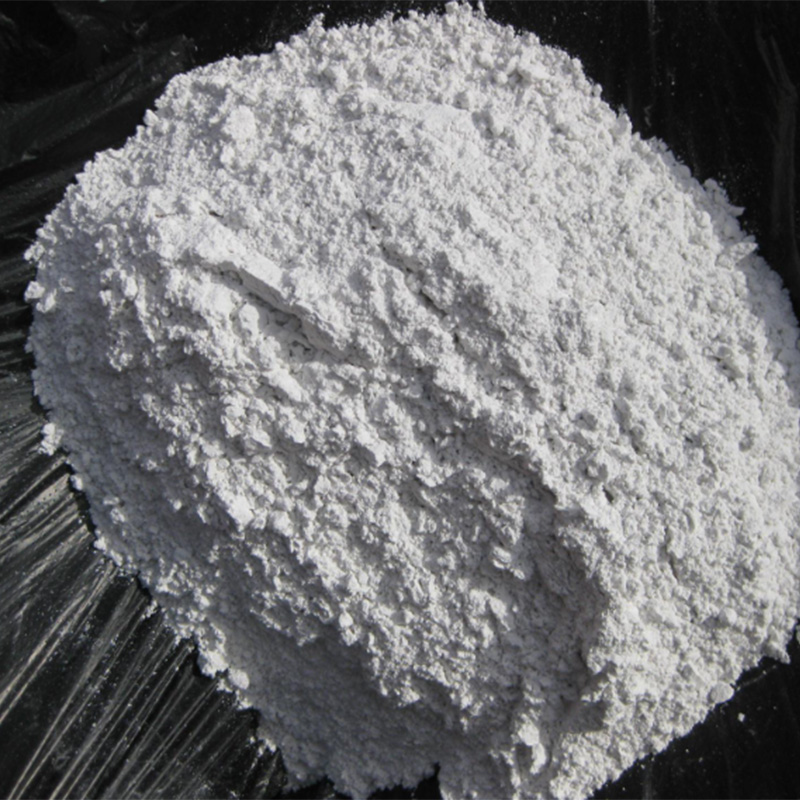
Hydraulic formulations completely solve the shrinkage problem. Chemists engineer them specifically to expand slightly upon curing. The growing crystals push against the surrounding concrete walls. This expansion wedges the material permanently into the cavity. It forms a watertight mechanical lock. Furthermore, this specific patching powder contains zero aggregate. You will not find sand or gravel hidden in the mix. This pure binder composition distinguishes it from typical hydraulic concrete products.
Contractors rely heavily on rigid expanding patches for underground waterproofing. Groundwater intrusion constantly threatens structural basements and deep foundations. You can apply the patch directly into static cracks. It immediately stops active water flowing through interior basement walls.
Commercial facilities face similar moisture challenges. Elevator pits frequently suffer from groundwater seepage. Left untreated, water destroys the electrical equipment inside the pit. Manholes and underground utility pipe penetrations also face severe hydrostatic pressure. Applying a fast-curing plug securely seals these vulnerable utility joints. It creates an impenetrable barrier against surrounding soil moisture.
Repairing massive aquatic structures presents unique logistical challenges. Draining a municipal swimming pool wastes considerable time and money. Fast-setting expansive cement allows dive teams to repair active leaks underwater. Technicians simply mix the putty, dive down, and press it into the breach.
You can repair massive cisterns and decorative fountains without emptying them. Civil engineers utilize the same technology for public infrastructure maintenance. They patch massive concrete dams, structural piers, and ocean seawalls. The non-water-soluble nature ensures the patch survives decades of constant wave action.
Sometimes construction projects require immediate load-bearing capabilities. Standard concrete forces crews to wait days for adequate curing. Fast-curing binders anchor heavy hardware safely in just hours.
Crews set heavy-duty bolts directly into solid masonry floors. It works perfectly for securing industrial handrails or steel support columns. The slight outward expansion guarantees the anchor remains locked tight. Upward pulling forces will not dislodge the embedded hardware.
Many property owners fall into a dangerous maintenance trap. Patching a wet interior basement wall feels like a permanent victory. The immediate leak stops. However, interior patching never removes the external water source. The surrounding soil remains saturated.
Extreme hydrostatic pressure continues pushing against the exterior foundation walls. Over time, relentless water pressure might bypass the isolated rigid plug. The moisture simply finds a new crack nearby. You must eventually address external excavation and landscape drainage. Relying strictly on interior rigid plugs creates a temporary "band-aid" solution for systemic drainage failures.
You must understand the physical constraints of the binder. It cures into a tremendously rigid state. It possesses absolutely zero elasticity. It cannot stretch, bend, or accommodate structural shifting.
You must strictly avoid specific application zones. Never apply rigid cement into intentional expansion joints. Expansion joints exist specifically to absorb thermal movement. Likewise, active structural settlement cracks will instantly destroy a rigid patch. When the foundation walls shift, the brittle plug shatters. Water will immediately flow through the shattered pieces.
For moving cracks, you must choose appropriate alternative materials. Flexible polyurethane sealants handle thermal expansion beautifully. Epoxy injection kits offer superior structural stabilization for settling foundation walls.
Feature | Hydraulic Cement | Flexible Polyurethane / Epoxy |
|---|---|---|
Flexibility | Zero elasticity (Highly Rigid) | High elasticity (Stretches & Bends) |
Set Time | 3 to 5 minutes | 24 to 72 hours |
Active Leak Capability | Can stop gushing water instantly | Requires dry conditions to cure properly |
Best Use Case | Static cracks, anchoring, active leaks | Dynamic movement, expansion joints |
Material performance relies heavily on proper mechanical preparation. Crack shape dictates ultimate success or catastrophic failure. Amateurs frequently make V-shaped cuts into the masonry. Never use a V-shaped cut. As the material cures and expands, the V-shape pushes the plug outward. The patch will simply pop out onto the floor.
You must chisel a square channel into the concrete. Better yet, create a "dovetail" or inverted V cut. Make the back of the crack wider than the surface opening. This specific geometry allows the material to wedge mechanically into the substrate. As expansion occurs, the wider base locks the plug permanently.
The host masonry must sit in an SSD state before patching. SSD stands for Saturated Surface Dry. You must actively dampen the surrounding concrete before pressing the putty inside. The surface should look dark and damp but lack standing puddles.
If you apply wet putty to dry masonry, disaster strikes. Dry concrete acts like a rigid sponge. It aggressively wicks essential moisture right out of the patch. This premature drying stops the chemical hydration process in its tracks. The material turns powdery and loses all structural integrity.
Temperature strictly controls your available working time. Warm water dramatically accelerates the chemical reaction. The standard three-minute set time drops to just sixty seconds. Use warm water specifically when battling high-pressure active leaks. Conversely, cold water significantly slows the hydration rate. Use cold water to gain longer working times for complex, detailed repairs.
Severe leaks require advanced engineering tactics. You cannot merely push wet paste into a gushing hole. The intense water pressure will wash the binder away before it cures. You must employ the professional "weep hole" technique.
Drill a temporary relief hole at the absolute lowest point of the crack.
Insert a short PVC pipe directly into the drilled hole. This channels the severe water flow safely out of the wall.
Mix your binder and pack it firmly into the upper crack areas above the pipe.
Allow the perimeter seals to completely cure and harden for several minutes.
Pull the temporary PVC pipe out of the wall quickly.
Immediately plug the final remaining hole using a pre-formed, slightly hardened cone of cement. Hold it firmly until it sets.
Commercial engineers rely on strict testing guidelines to ensure safety. The American Society for Testing and Materials sets the benchmarks. ASTM C150 defines standard Portland types ranging from Type I to Type V. Meanwhile, ASTM C595 governs blended cements.
The global construction market currently shows a massive shift toward Type IL formulations. Type IL represents Portland-Limestone blended cements. This industry transition primarily supports ambitious carbon-reduction goals. Limestone blends require less high-heat calcination during manufacturing. They offer identical field performance while drastically lowering environmental impact.
ASTM Designation | Primary Characteristic | Typical Application Scenario |
|---|---|---|
Type I | General Purpose | Standard baseline repairs without special environmental exposure. |
Type II | Moderate Sulfate Resistance | Underground structures exposed to mild soil acidity. |
Type III | High Early Strength | Cold weather environments or rapid structural loading requirements. |
Type V | High Sulfate Resistance | Marine environments or highly acidic industrial soils. |
You must align the product chemistry directly with your site conditions. Treat this product as a highly specific Custom building material. Evaluate your unique project needs carefully before purchasing. High-soil-acidity environments require special chemical protection. Always specify Type II or Type V for moderate to high sulfate resistance. If your project demands high early strength for fast load bearing, choose a Type III formulation.
Always perform a strict compatibility check before application. You will likely want to apply waterproofing coatings over the patch later. Ensure your selected patch formulation accepts subsequent elastomeric sealers. Most standard patches require a full 24-hour hydration period. After this waiting window closes, the surface safely accepts membrane coatings and paints without bubbling.
Hydraulic cement remains an absolutely indispensable tool for concrete and masonry repair. It delivers unmatched rapid-response capabilities for critical infrastructure. You can stop aggressive static leaks and anchor heavy structures in mere minutes. The unique expansive properties guarantee a tight mechanical seal.
However, you must accurately diagnose the root cause of the water intrusion first. The material performs flawlessly as a rigid plug for localized damage. It fails completely as a structural stabilizer for moving or settling foundations. Always assess your crack geometry carefully before starting. Ensure you utilize dovetail cuts and maintain SSD conditions. Determine if the structural movement is static or dynamic. Test the hydrostatic pressure levels in the surrounding soil. If severe external drainage issues exist, plan for comprehensive exterior excavation alongside your interior patching efforts.
A: It expands slightly upon curing. Unlike traditional concrete mixes that shrink as water evaporates, this specialized binder grows microscopically. This expansion forces the material outward against the crack walls, creating a watertight mechanical seal.
A: Yes. The material actually requires water to trigger its chemical hydration process. It cures rapidly even when fully submerged. For severe, high-pressure gushing leaks, you should utilize a temporary weep hole to divert the flow while the surrounding material sets.
A: It provides a permanent patch for the specific localized crack. However, it does not solve systemic external drainage failures. If extreme hydrostatic pressure remains unchecked outside the foundation, water will eventually exploit different weak points in the concrete.
A: It typically sets in 3 to 5 minutes. The exact timing depends heavily on ambient air temperature and your mixing water temperature. Warm water accelerates the reaction for faster plugging, while cold water delays the set for longer working times.
