
Views: 0 Author: Site Editor Publish Time: 2025-12-24 Origin: Site

River pebbles are a popular choice for landscaping, adding texture and visual appeal to gardens. With their smooth edges and vibrant colors, they enhance any outdoor space. But should you choose polished or natural river pebbles for your garden? In this article, we will explore the differences between polished and natural river pebbles. You will learn about their aesthetic appeal, cost considerations, and maintenance needs, helping you make an informed decision for your garden.
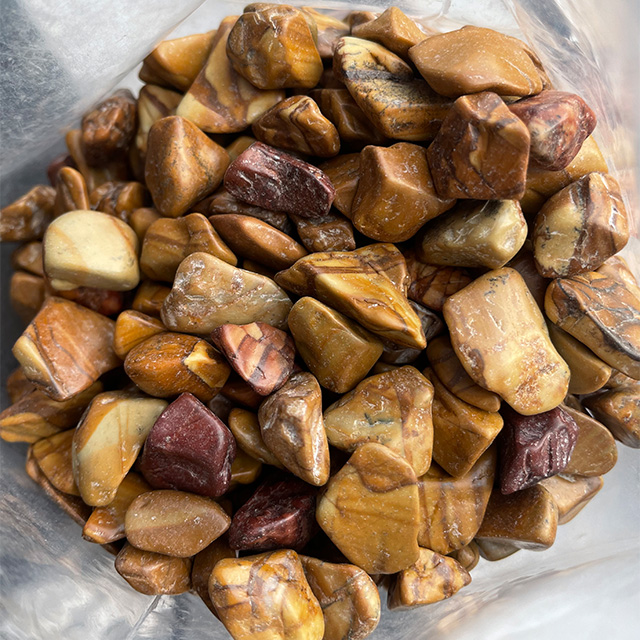
Polished river pebbles are stones that have been smoothed and polished through a tumbling process. This process involves placing the stones in a machine with abrasive materials to remove rough edges and create a shiny, reflective surface. Polished pebbles are often used for decorative purposes, adding a sleek, elegant touch to landscaping designs.
Natural river pebbles, on the other hand, are collected from rivers and streams, retaining their original form, texture, and colors. These pebbles are not tumbled or polished, which means they maintain a rougher, more earthy texture. They are prized for their natural, organic look, making them ideal for rustic or traditional garden designs.
The most noticeable difference between polished and natural river pebbles is their appearance. Polished pebbles have a shiny, smooth surface that reflects light, giving them a glossy and vibrant look. Natural pebbles, in contrast, have a matte finish with a more varied texture, showcasing their natural flaws and unique shapes. Depending on your garden’s style, one may appeal to you more than the other.
Feature | Polished River Pebbles | Natural River Pebbles |
Appearance | Shiny, smooth | Rough, matte |
Texture | Glossy, sleek | Organic, varied |
Reflection | High light reflection | Low light reflection |
Aesthetic Style | Modern, contemporary | Rustic, traditional |
Both types of river pebbles are durable, but polished pebbles tend to have a higher wear resistance. The tumbling process makes polished pebbles smoother, so they can withstand harsher weather conditions without breaking down as quickly. Natural river pebbles, however, may weather faster, especially if exposed to heavy foot traffic or adverse weather conditions, but they still last for years when properly maintained.
Pebble Type | Durability | Maintenance Frequency |
Polished River Pebbles | High | Low |
Natural River Pebbles | Moderate to High | Medium to High |
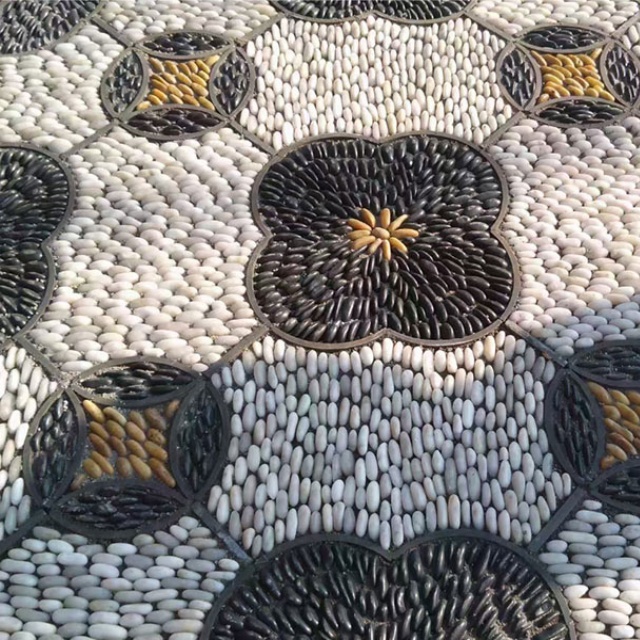
Polished river pebbles are an excellent choice for contemporary garden designs. Their smooth, glossy finish complements sleek, minimalist landscapes, and their reflective surface enhances light in the garden, making the space appear more vibrant. These pebbles are often used in modern water features, walkways, or decorative garden beds to create a sophisticated and clean look.
Natural river pebbles, with their earthy tones and rough textures, are ideal for rustic or traditional garden designs. These pebbles blend seamlessly with plants, wood features, and stone elements. They evoke a natural, organic vibe, making them perfect for cottage gardens or landscapes that aim to showcase the beauty of nature.
Polished river pebbles come in a variety of colors, often featuring brighter shades due to the smoothing process. In contrast, natural pebbles retain their original, muted tones, offering a more subtle and varied look. Whether you’re looking for something bold and shiny or something more understated and earthy, the choice between polished and natural pebbles will significantly impact the aesthetic of your garden.
Feature | Polished River Pebbles | Natural River Pebbles |
Color Variety | Bright, vibrant | Muted, earthy tones |
Finish | Glossy, smooth | Matte, rough |
Ideal Use | Modern gardens, water features | Rustic, traditional gardens |
When it comes to cost, natural river pebbles are generally more affordable than polished pebbles. The additional processing required to polish river pebbles adds to their cost, making them pricier. If you are working within a strict budget, natural river pebbles offer a more cost-effective option while still providing a natural look.
Pebble Type | Initial Cost | Long-Term Cost |
Polished River Pebbles | High | Low |
Natural River Pebbles | Low | Medium |
While polished pebbles may cost more upfront, their durability and sleek appearance can justify the higher price over time. Polished pebbles tend to require less maintenance, which can save you money on cleaning and replacement costs in the long run. Natural pebbles, though cheaper, may need more upkeep as they can accumulate dirt, moss, or algae, requiring periodic cleaning to maintain their appeal.
Pebble Type | Upfront Cost | Maintenance Cost | Durability |
Polished River Pebbles | High | Low | High |
Natural River Pebbles | Low | High | Moderate to High |
Both polished and natural river pebbles are excellent for improving drainage in garden beds. The gaps between the pebbles allow water to flow freely, preventing soil compaction and reducing waterlogged conditions. However, the smoother surface of polished pebbles might allow for slightly more water movement, making them ideal for areas prone to heavy rainfall or flooding.
Pebble Type | Drainage Efficiency | Best Use Case |
Polished River Pebbles | High | Wet areas, water features |
Natural River Pebbles | Moderate | Garden beds, sloped areas |
Both types of pebbles help control soil erosion by providing a stable surface that holds the soil in place. Polished pebbles, due to their smoothness, may shift slightly more than natural pebbles under strong weather conditions. Natural pebbles, with their irregular shapes and rough edges, tend to stay in place more effectively, providing better long-term erosion control.
Pebble Type | Erosion Control Effectiveness |
Polished River Pebbles | Moderate |
Natural River Pebbles | High |
River pebbles create a barrier that prevents weed growth by blocking sunlight from reaching the soil. Both polished and natural pebbles work effectively in this regard, but natural pebbles may provide a better fit for areas where you want a more natural appearance. Their varied shapes create a less uniform surface, making it harder for weeds to take root.
Pebble Type | Weed Control | Ideal Use |
Polished River Pebbles | Good | Modern gardens |
Natural River Pebbles | Excellent | Natural, rustic gardens |
Polished river pebbles are relatively low-maintenance. Their smooth surface prevents dirt and debris from sticking, making them easier to clean. Occasionally washing them with water is usually enough to maintain their glossy appearance. They are less likely to collect moss or algae compared to natural pebbles, making them ideal for spaces that require minimal upkeep.
Natural river pebbles, while beautiful, may require more maintenance over time. Due to their rough texture, they can trap dirt, leaves, and organic matter, making cleaning more challenging. Additionally, moss and algae can grow on their surface, especially in shady or damp areas, requiring periodic scrubbing or treatment to keep them looking fresh.
Pebble Type | Maintenance Needs | Cleaning Frequency |
Polished River Pebbles | Low | Occasional |
Natural River Pebbles | High | Regular |
● Polished Pebbles: Use a mild soap solution and a soft brush to gently clean them. Avoid harsh chemicals that could damage their glossy surface.
● Natural Pebbles: Use a stiff brush and water to remove dirt and debris. Consider using a pressure washer for a deeper clean, especially for larger areas.
Polished river pebbles undergo a manufacturing process that uses energy and resources, which can increase their environmental impact. Additionally, the tumbling process may produce waste, contributing to environmental concerns. However, polished pebbles are durable, meaning they may last longer, which can offset some of the environmental costs.
Natural river pebbles are generally considered more eco-friendly since they do not undergo extensive processing. They are often harvested directly from rivers and streams, which can be a sustainable practice if done responsibly. Additionally, their natural look and organic shape make them ideal for gardens seeking an eco-conscious design.
Pebble Type | Environmental Impact | Sustainability |
Polished River Pebbles | High | Low |
Natural River Pebbles | Low | High |
Choosing between polished and natural river pebbles depends largely on your garden’s style, budget, and functional needs. Polished pebbles offer a sleek, contemporary look and require less maintenance, but come at a higher cost. Natural pebbles, on the other hand, provide an organic aesthetic and are more budget-friendly, though they may require more upkeep. At SHISHAN, we value the quality of each piece of stone and carefully design each product to ensure that every piece reflects the essence of art and culture. Consider the overall design of your garden. If you’re aiming for a modern, minimalist look, polished pebbles might be the best choice. For a rustic, traditional garden, natural pebbles are likely to fit better. Think about long-term maintenance and durability as well, as this will influence your choice based on the level of care you’re willing to invest. Choose us to add artistic flavor to your garden and life with our high-quality river pebbles.
Tip: When selecting river pebbles for your garden, it’s essential to balance aesthetic preferences with functionality. Both polished and natural pebbles can serve specific purposes, so choose based on your design vision, budget, and long-term maintenance goals.
A: Polished river pebbles are smoothed and shiny due to a tumbling process, offering a sleek look, while natural river pebbles retain their original texture and form, giving them a more rustic appearance. Both serve as decorative elements in gardens, but a river pebble comparison will show that polished pebbles are often used for modern designs, while natural pebbles are better suited for traditional or organic landscaping.
A: Polished river pebbles are ideal for contemporary garden designs, offering a smooth, glossy finish that enhances light reflection and adds a modern touch. They also require less maintenance, making them a practical choice for low-maintenance landscapes. A river pebble comparison reveals that they are best suited for sleek, minimalistic garden styles.
A: Both polished and natural river pebbles are effective for improving drainage in gardens. However, polished pebbles have a smoother surface, allowing water to flow more easily. A river pebble comparison will show that natural pebbles, with their irregular shapes, may provide better stability for preventing soil erosion.
A: Natural river pebbles are generally more sustainable as they undergo little to no processing, making them an eco-friendly choice. Polished pebbles, while durable, require energy-intensive processing. A river pebble comparison highlights that using natural pebbles can be a more environmentally conscious decision, especially in eco-conscious garden designs.
