Glass cullet is one of the most essential materials in the glass manufacturing industry, playing a key role in recycling and sustainable production practices. By recycling cullet, manufacturers reduce energy consumption, raw material usage, and waste. In this article, we will explore the different t
How Long Does It Take for Portland Cement to Dry?Portland cement is one of the most widely used construction materials worldwide, known for its strength and versatility. Whether you're building a driveway, a foundation, or any other concrete structure, understanding the drying time of Portland cemen
Portland cement is an essential material in modern construction, and its use spans a variety of industries, from infrastructure to residential buildings. Since its invention in the early 19th century, Portland cement has revolutionized construction, enabling the creation of structures that are durab
Is Portland Cement Waterproof?Portland cement is one of the most widely used materials in construction. However, a common question arises: Is Portland cement waterproof? In its natural state, Portland cement is not waterproof, but there are various ways to enhance its water resistance. In this artic
Cement plays a vital role in the construction industry, serving as a binding agent in the creation of concrete, mortar, and other materials. Among the various types of cement, Portland cement stands out as the most commonly used. However, the term regular cement is often used interchangeably with Po
The humble pebble, often overlooked, plays a significant role in various aspects of human life and the natural environment. From its aesthetic appeal in landscaping to its practical applications in construction, the pebble serves multiple purposes that are both functional and decorative. This articl
Pebble paving is a versatile and aesthetically pleasing option for various outdoor and indoor applications. Whether used for garden pathways, driveways, or interior flooring, the natural beauty of pebbles can enhance any space. This article explores the effective installation of pebble paving, offer
Pebble leather is a popular choice in the fashion and furniture industries due to its unique texture and durability. This type of leather is characterized by its distinctive pebble-like grain, which is achieved through a specific tanning process. In this article, we will explore the quality of pebbl
The debate between using pebble and plaster for various construction and aesthetic purposes has been ongoing among architects, builders, and homeowners. The choice between these two materials often depends on factors such as durability, cost, aesthetic appeal, and environmental impact. In this artic
The natural world provides us with a myriad of materials that serve various purposes in construction, landscaping, and decoration. Among these, gravel and pebbles are commonly used, yet they often cause confusion due to their similar appearances. Understanding the differences between gravel and pebb
IntroductionPortland Cement is one of the most essential materials in modern road construction. It serves as the fundamental ingredient that binds aggregates to form concrete, providing strength and durability to infrastructure. Understanding the basics of Portland Cement is crucial for anyone invol
IntroductionOutdoor spaces serve as vital extensions of our homes, providing a venue for leisure, social gatherings, and a connection to the natural environment. Enhancing these areas with durable and aesthetically pleasing materials is essential for both functionality and visual appeal. One such ma
IntroductionIn the realm of garden design and landscape architecture, the incorporation of natural elements has always played a pivotal role in creating harmonious and aesthetically pleasing outdoor spaces. As homeowners and designers alike seek to craft gardens that are both beautiful and functiona
IntroductionIn the evolving field of sustainable construction, the use of recycled materials has become a cornerstone of environmentally conscious practices. One such material gaining significant attention is glass cullet. Derived from recycled glass products, glass cullet is finding innovative appl
The construction industry is at a pivotal point where sustainability and innovation intersect to address environmental challenges. One such innovation is the incorporation of recycled glass cullet into road base materials. This practice not only provides a feasible solution to the mounting glass was
Glass cullet, the recycled broken or waste glass used in glassmaking, plays a pivotal role in the modern glass industry.
In the modern manufacturing and environmental landscape, the value of cullet has become increasingly significant. Cullet, broken or waste glass used in glassmaking
The global recycled glass market has been witnessing significant growth over the past few years, driven by increasing environmental awareness and the push for sustainable materials.
Glass, in its myriad forms, has been an integral part of human civilization for millennia. From the delicate stained glass windows of medieval cathedrals to the robust glass used in modern skyscrapers
Cullet is a term that may not be widely recognized outside the glass manufacturing industry, yet it plays a critical role in the production of glass products. Simply put, cullet refers to recycled broken or waste glass used in the glass-making process.
Our aquarium-grade glass cullet achieves 99.9% impurity-free content through advanced processing that removes heavy metals, sharp edges, and contaminants—exceeding NSF/ANSI 61 standards for drinking water system components.
| Availability: | |
|---|---|
| Quantity: | |
Name | Glass crumb |
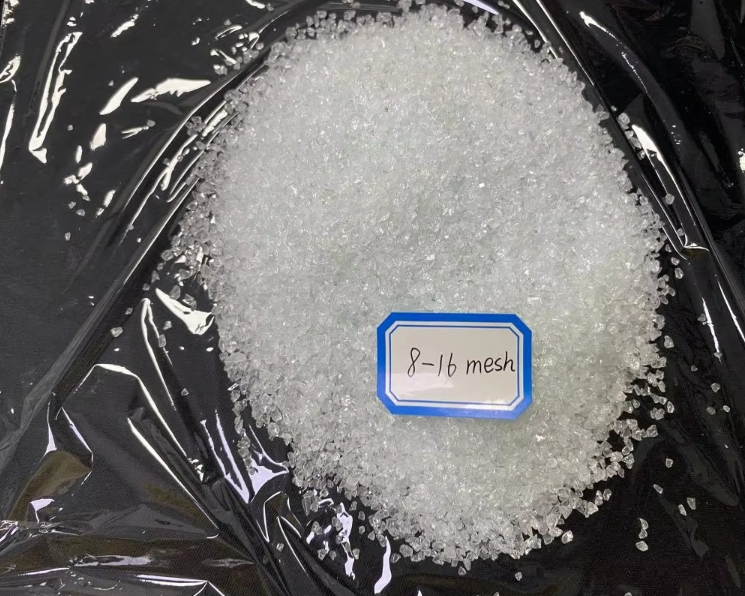
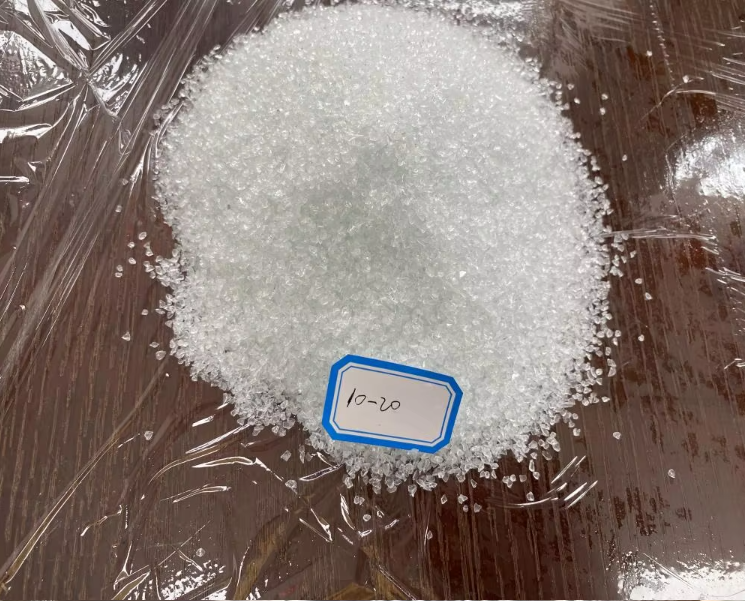
Size | 4-6 mesh/6-8 mesh/10-20 mesh/16-30 mesh |
Color | Golden Yellow, Black, Brown, Grey, White, Beige |
Application | Fish tank, Bonsai, Paving |
Quality | Top Grade |
Application | Courtyard, Office Building, Decoration |
Sourced from pharmaceutical-grade recycled glass, each batch undergoes rigorous leach testing to ensure <0.001ppm heavy metal release, providing a safe environment for fish, invertebrates, and plants. With 40-45% post-consumer recycled content, this substrate supports sustainable aquarium practices without compromising water quality or animal health.
The defining feature of our aquarium glass cullet is its pharmaceutical-grade purity, with specialized processing that eliminates lime deposits and alkaline components that could alter water chemistry. Independent testing confirms pH-neutral performance (maintaining 6.5-7.5 pH in most water conditions), preventing sudden water parameter shifts that stress aquatic life. The cullet's inert composition won't decompose or release organic compounds, eliminating ammonia spikes common with organic substrates. Unlike natural gravel that may harbor bacteria in porous surfaces, our non-porous glass particles reduce nitrate buildup and require less frequent deep cleaning. Each particle undergoes tumbling to remove sharp edges, preventing injury to delicate fish fins and bottom-dwelling species.
The uniform 3.35-4.75mm particle size creates ideal interstitial spaces that promote water flow while retaining beneficial bacteria colonies essential for biological filtration. This structured porosity prevents compaction that leads to anaerobic zones and toxic gas buildup in substrate layers. Water flow testing shows 20-30% better circulation compared to standard aquarium gravel of similar size, reducing dead spots where waste accumulates. The cullet's smooth surface minimizes debris trapping while allowing plant roots to penetrate and access nutrients. This balance of water movement and stability creates healthier environments for sensitive species like shrimp and nano fish.
Available in 12 specialized aquatic colors including crystal clear, ocean blue, and natural riverbed hues, our glass cullet transforms aquarium aesthetics while remaining naturalistic. The material's 85-90% light transmission creates stunning light refraction effects that illuminate aquatic plants and highlight fish coloration. Unlike painted substrates that chip or fade, our color infusion process ensures 100% color penetration throughout each particle, maintaining vibrancy for 5+ years without leaching dyes. The uniform particle distribution creates seamless substrate beds that enhance aquascape designs, from minimalist layouts to complex planted aquariums.
In planted tanks, 4-6 Mesh High Purity Glass Cullet provides an ideal anchor for root systems while allowing nutrient-rich water to circulate to plant roots. It supports carpet plants like dwarf hairgrass and Monte Carlo that require stable substrate without compaction. The neutral pH properties create optimal conditions for sensitive plants such as Amazon swords and cryptocorynes that suffer in alkaline substrates. aquascapers utilize colored varieties to create depth illusions, with darker cullet enhancing light penetration to lower plant layers in deep aquariums.
Community aquariums housing tetras, guppies, and rasboras benefit from the cullet's smooth texture that prevents fin damage during schooling activities. The substrate's stability creates secure environments for bottom-dwellers like corydoras catfish that sift through substrate in search of food. Breeders appreciate the non-toxic composition that provides safe spawning grounds for egg-laying species, with the light-reflective properties making it easier to monitor developing fry. The material's inert nature ensures compatibility with community tank staples like snails and shrimp that are sensitive to water chemistry changes.
Reef aquariums utilize the cullet's purity for creating stable bases under live rock structures, with the pH-neutral properties supporting delicate coral environments. The non-porous surface prevents phosphate accumulation that fuels unwanted algae growth in reef systems. Nano reef tanks benefit from the precise particle size that creates natural-looking sand beds without the clouding issues of finer substrates. The material's chemical stability makes it compatible with calcium reactors and other reef maintenance equipment, maintaining consistent water parameters critical for coral health.
Biotope enthusiasts recreate specific aquatic environments using color-matched cullet varieties, from African rift lake setups with white sand simulations to blackwater Amazon replicas using dark substrate. The material's ability to maintain water chemistry fidelity helps replicate natural habitats for species like discus that require specific conditions. Paludariums (aquatic-terrestrial setups) use the cullet in submerged sections, where its weight prevents erosion into terrestrial zones while maintaining clear water conditions.
Store 4-6 Mesh High Purity Glass Cullet in food-grade plastic containers with airtight lids to prevent contamination from dust, chemicals, or organic materials. Maintain storage temperature between 15-25°C with relative humidity below 60% to prevent moisture-related clumping. Keep containers elevated at least 300mm above floor level and away from potential sources of chemical contamination, including fertilizers, cleaning supplies, or metal storage racks that could cause rust transfer. Never store cullet in containers that previously held chemicals, detergents, or petroleum products.
Handle aquarium glass cullet with nitrile gloves to prevent oil transfer from skin that can create water film issues in aquariums. Use dedicated plastic scoops for measuring—never use tools that have contacted soil, metals, or chemicals. Before aquarium introduction, rinse cullet with dechlorinated water using a fine mesh strainer until water runs clear, typically requiring 3-5 rinses for new material. Avoid excessive agitation during rinsing to prevent particle breakage. For large aquariums, prepare substrate in small batches to maintain cleanliness during installation.
Properly stored glass cullet maintains aquarium safety for 3+ years from production date, with no degradation in purity or structural integrity. Label containers with production date and color variety to implement first-in, first-out usage. Inspect material before use for any signs of contamination, discoloration, or particle size irregularities—discard any material showing these issues. For bulk storage, use opaque containers to prevent UV exposure that can affect color stability in dyed varieties. After opening, reseal containers immediately and use remaining material within 6 months to ensure maximum purity for sensitive aquatic environments.


Name | Glass crumb |
Size | 4-6 mesh/6-8 mesh/10-20 mesh/16-30 mesh |
Color | Golden Yellow, Black, Brown, Grey, White, Beige |
Application | Fish tank, Bonsai, Paving |
Quality | Top Grade |
Application | Courtyard, Office Building, Decoration |
Sourced from pharmaceutical-grade recycled glass, each batch undergoes rigorous leach testing to ensure <0.001ppm heavy metal release, providing a safe environment for fish, invertebrates, and plants. With 40-45% post-consumer recycled content, this substrate supports sustainable aquarium practices without compromising water quality or animal health.
The defining feature of our aquarium glass cullet is its pharmaceutical-grade purity, with specialized processing that eliminates lime deposits and alkaline components that could alter water chemistry. Independent testing confirms pH-neutral performance (maintaining 6.5-7.5 pH in most water conditions), preventing sudden water parameter shifts that stress aquatic life. The cullet's inert composition won't decompose or release organic compounds, eliminating ammonia spikes common with organic substrates. Unlike natural gravel that may harbor bacteria in porous surfaces, our non-porous glass particles reduce nitrate buildup and require less frequent deep cleaning. Each particle undergoes tumbling to remove sharp edges, preventing injury to delicate fish fins and bottom-dwelling species.
The uniform 3.35-4.75mm particle size creates ideal interstitial spaces that promote water flow while retaining beneficial bacteria colonies essential for biological filtration. This structured porosity prevents compaction that leads to anaerobic zones and toxic gas buildup in substrate layers. Water flow testing shows 20-30% better circulation compared to standard aquarium gravel of similar size, reducing dead spots where waste accumulates. The cullet's smooth surface minimizes debris trapping while allowing plant roots to penetrate and access nutrients. This balance of water movement and stability creates healthier environments for sensitive species like shrimp and nano fish.
Available in 12 specialized aquatic colors including crystal clear, ocean blue, and natural riverbed hues, our glass cullet transforms aquarium aesthetics while remaining naturalistic. The material's 85-90% light transmission creates stunning light refraction effects that illuminate aquatic plants and highlight fish coloration. Unlike painted substrates that chip or fade, our color infusion process ensures 100% color penetration throughout each particle, maintaining vibrancy for 5+ years without leaching dyes. The uniform particle distribution creates seamless substrate beds that enhance aquascape designs, from minimalist layouts to complex planted aquariums.
In planted tanks, 4-6 Mesh High Purity Glass Cullet provides an ideal anchor for root systems while allowing nutrient-rich water to circulate to plant roots. It supports carpet plants like dwarf hairgrass and Monte Carlo that require stable substrate without compaction. The neutral pH properties create optimal conditions for sensitive plants such as Amazon swords and cryptocorynes that suffer in alkaline substrates. aquascapers utilize colored varieties to create depth illusions, with darker cullet enhancing light penetration to lower plant layers in deep aquariums.
Community aquariums housing tetras, guppies, and rasboras benefit from the cullet's smooth texture that prevents fin damage during schooling activities. The substrate's stability creates secure environments for bottom-dwellers like corydoras catfish that sift through substrate in search of food. Breeders appreciate the non-toxic composition that provides safe spawning grounds for egg-laying species, with the light-reflective properties making it easier to monitor developing fry. The material's inert nature ensures compatibility with community tank staples like snails and shrimp that are sensitive to water chemistry changes.
Reef aquariums utilize the cullet's purity for creating stable bases under live rock structures, with the pH-neutral properties supporting delicate coral environments. The non-porous surface prevents phosphate accumulation that fuels unwanted algae growth in reef systems. Nano reef tanks benefit from the precise particle size that creates natural-looking sand beds without the clouding issues of finer substrates. The material's chemical stability makes it compatible with calcium reactors and other reef maintenance equipment, maintaining consistent water parameters critical for coral health.
Biotope enthusiasts recreate specific aquatic environments using color-matched cullet varieties, from African rift lake setups with white sand simulations to blackwater Amazon replicas using dark substrate. The material's ability to maintain water chemistry fidelity helps replicate natural habitats for species like discus that require specific conditions. Paludariums (aquatic-terrestrial setups) use the cullet in submerged sections, where its weight prevents erosion into terrestrial zones while maintaining clear water conditions.
Store 4-6 Mesh High Purity Glass Cullet in food-grade plastic containers with airtight lids to prevent contamination from dust, chemicals, or organic materials. Maintain storage temperature between 15-25°C with relative humidity below 60% to prevent moisture-related clumping. Keep containers elevated at least 300mm above floor level and away from potential sources of chemical contamination, including fertilizers, cleaning supplies, or metal storage racks that could cause rust transfer. Never store cullet in containers that previously held chemicals, detergents, or petroleum products.
Handle aquarium glass cullet with nitrile gloves to prevent oil transfer from skin that can create water film issues in aquariums. Use dedicated plastic scoops for measuring—never use tools that have contacted soil, metals, or chemicals. Before aquarium introduction, rinse cullet with dechlorinated water using a fine mesh strainer until water runs clear, typically requiring 3-5 rinses for new material. Avoid excessive agitation during rinsing to prevent particle breakage. For large aquariums, prepare substrate in small batches to maintain cleanliness during installation.
Properly stored glass cullet maintains aquarium safety for 3+ years from production date, with no degradation in purity or structural integrity. Label containers with production date and color variety to implement first-in, first-out usage. Inspect material before use for any signs of contamination, discoloration, or particle size irregularities—discard any material showing these issues. For bulk storage, use opaque containers to prevent UV exposure that can affect color stability in dyed varieties. After opening, reseal containers immediately and use remaining material within 6 months to ensure maximum purity for sensitive aquatic environments.


