
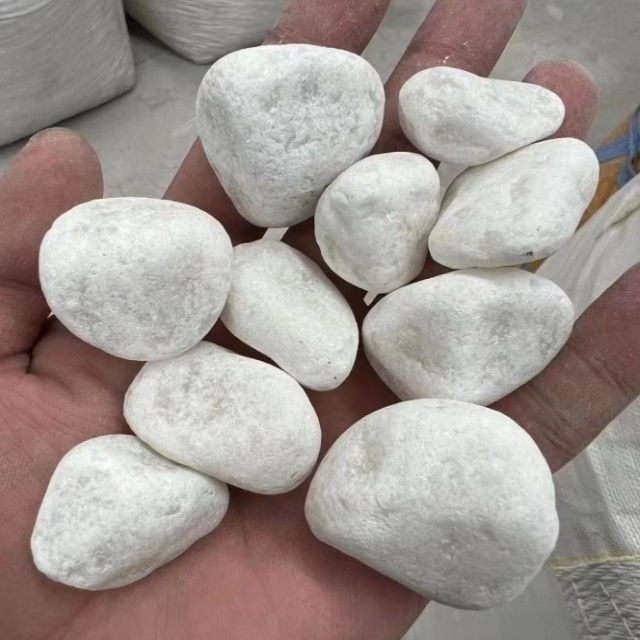


Premium Natural River Pebbles for Sustainable Garden Pathways & Landscaping
These sustainably sourced river pebbles deliver an eco-friendly solution for creating organic walkways that blend seamlessly with natural landscapes. Naturally polished by decades of water erosion, they offer superior safety with smooth surfaces (18-35mm) and exceptional durability (Mohs 6.5 hardness). Their ultra-low porosity (2.5%) ensures weather resistance and minimal maintenance for 20+ years.
- Hydraulically polished surfaces with R11 slip resistance for barefoot safety
- Earthy color variations (terracotta, gray, ivory) for natural aesthetic appeal
- Sustainably harvested with eco-conscious practices, free from synthetic dyes
- 3D design support and cross-category consolidation for customized projects
| Quantity: | |
|---|---|


As a premier manufacturer and supplier of premium landscaping elements, we present our meticulously sourced Mixed Color River Pebbles. Engineered for large-scale architectural and outdoor environments, these stones deliver an impeccable balance of structural integrity and organic beauty. Designed to meet the rigorous demands of professional landscape procurement, this product ensures lasting performance across diverse climates.
Calibrated Size: Precisely screened 18-35mm dimensions for optimal interlocking.
Authentic Finish: Naturally water-smoothed micro-texture with zero chemical processing.
Exceptional Longevity: Proven to deliver 20+ years of reliable outdoor performance.
Versatile Application: Ideal for ecological walkways, water features, and modern hardscaping.
Transform ordinary outdoor spaces into captivating, organic landscapes with our premium Mixed Color River Pebbles. Harvested from sustainably managed deposits, these naturally weathered stones present a visually striking palette of warm terracottas, soft grays, and creamy ivories that instantly elevate the aesthetic depth of any commercial or residential project. When you run your hands through these stones, you will immediately notice the impeccably smooth, hydraulically polished finish—a remarkable result of decades of gentle water erosion rather than harsh mechanical tumbling. This natural micro-texture not only feels incredibly soothing underfoot but also produces a gentle, resonant clinking sound when walked upon, adding a highly desirable auditory dimension to sensory gardens and tranquil pathways. Engineered by the relentless forces of nature to withstand the most demanding environmental conditions, these stones resist heavy pedestrian traffic and extreme weather variations effortlessly. By integrating these naturally rounded stones into your landscape designs, you effectively eliminate the artificial, sterile appearance of manufactured aggregates, replacing it with an authentic, earthy charm that connects human-made architectural structures seamlessly with the natural world.
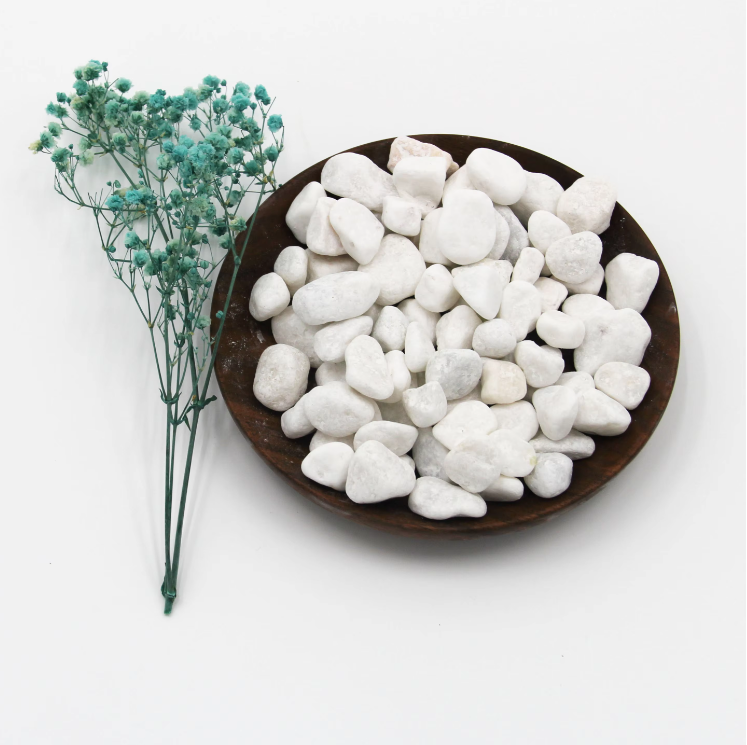
Our natural river stones are rigorously tested to ensure they meet the exact technical requirements of advanced landscape architecture. The following table details the precise physical properties and performance metrics of our product.
Specification Category | Parameter Details |
|---|---|
Product Name | Mixed Color River Pebbles |
Place of Origin | China |
Cobble & Pebble Type | Natural River Pebble |
Size Range | 18-35mm (Precisely Calibrated) |
Color | Multiple colors (warm terracottas, soft grays, creamy ivories) |
Surface Finish | Hydraulically Polished Surface |
Design Style | Modern |
Mohs Hardness | 6.5 |
Porosity / Water Absorption | <2.5% |
Slip Resistance Rating | R11 |
Water Permeability | >300mm/hour |
Freeze-Thaw Resistance | >500 cycles |
Temperature Tolerance | -30°C to 45°C |
Surface Cooling Effect | 6-9°C lower than traditional asphalt |
Compaction Settling | <3% vertical movement |
Carbon Footprint | <0.12 tonnes CO₂e/tonne |
Expected Lifespan | 20+ years (outdoor environments) |
Project Solution Capability | 3D model design, Cross Categories Consolidation, Graphic Design, others |
After-sale Service | Online Technical Support |
Our naturally sourced river stones are meticulously processed to meet the rigorous demands of modern landscape architecture. They offer a unique combination of visual elegance, structural resilience, and ecological harmony, ensuring that every installation remains pristine and highly functional for decades to come.
Authentic Visual Appeal: The rich, earthy color variations catch the ambient sunlight, creating dynamic, shifting visual effects throughout the day that synthetic stones cannot replicate.
Barefoot-Friendly Texture: The hydraulically polished surface ensures a remarkably comfortable, safe walking experience without any sharp, mechanically crushed edges.
Superior Structural Integrity: Boasting a robust Mohs hardness rating of 6.5, these stones easily endure high-traffic pedestrian conditions without fracturing or degrading.
Self-Cleansing Properties: The smooth exterior effectively minimizes soil adhesion, allowing natural rainfall to wash away dust and debris effortlessly, keeping the landscape looking fresh.
Achieving long-lasting stability in pathway construction requires materials with exceptional physical properties. These precisely calibrated stones deliver unmatched performance under heavy loads and frequent use. The ultra-low porosity fundamentally prevents moisture penetration, eliminating the risk of internal fracturing during freezing conditions and deterring unsightly algae proliferation near aquatic zones.
Precision Calibration: The strict 18-35mm size distribution ensures optimal interlocking capability, preventing excessive displacement even in high-traffic commercial areas.
Exceptional Density: A Mohs hardness rating of 6.5 guarantees superior wear resistance, maintaining the stones' beautifully rounded profiles over years of continuous use.
Moisture Resistance: With less than 2.5% water absorption, the material remains structurally sound and visually pristine in perpetually damp or shaded environments.
Algae Deterrence: The dense, non-porous surface structure naturally inhibits the attachment and growth of aquatic microorganisms, preserving the aesthetic of water features.
The organic aesthetic and tactile richness of these river stones make them an indispensable element for diverse architectural and landscaping projects. Their versatile nature allows them to blend seamlessly into various design paradigms, from minimalist contemporary spaces to historically accurate restorations, elevating the overall organic beauty of the environment.
Therapeutic Environments: The smooth texture provides gentle tactile stimulation for sensory pathways in healthcare and wellness facilities, promoting relaxation.
Aquatic Transitions: Perfect for pond perimeters and dry creek beds, offering a natural visual bridge between dynamic water elements and terrestrial planting zones.
Heritage Restorations: The authentic, un-dyed appearance perfectly matches traditional materials required for strict historical property conservation and botanical gardens.
Modern Hardscaping: Ideal for fire pit surrounds, retaining wall accents, and Zen gardens, adding a refined yet earthy contrast to structural concrete and steel.
Engineered by the relentless forces of nature, these stones possess an inherent ability to withstand the most severe environmental fluctuations. Whether deployed in freezing northern climates or scorching southern regions, the material maintains its structural and aesthetic integrity, ensuring reliable performance for over two decades without the need for replacement.
Extreme Temperature Tolerance: Proven thermal stability across a massive temperature gradient, remaining structurally unaffected from -30°C up to 45°C.
Freeze-Thaw Endurance: Successfully withstands over 500 harsh freeze-thaw cycles without exhibiting micro-cracks, splitting, or surface degradation.
Urban Heat Island Mitigation: The light-reflective properties of the lighter stones actively reduce surface temperatures by 6-9°C compared to conventional asphalt, improving microclimates.
UV Stability: The natural mineral composition ensures that the warm terracottas and soft grays remain vibrant, resisting fading even under intense, prolonged sunlight exposure.
Sustainable landscape design demands materials that actively contribute to environmental health rather than detract from it. These natural stones offer exceptional ecological advantages, facilitating advanced stormwater management while maintaining a remarkably low carbon footprint. They are the premier choice for progressive eco-friendly initiatives and sponge city developments.
Rapid Water Infiltration: The carefully calibrated interstitial spaces promote an impressive permeability rate of >300mm/hour, drastically reducing unwanted surface runoff.
Groundwater Recharge: Acts as a highly effective natural filtration layer in rain gardens, allowing stormwater to safely percolate back into the local water table.
Ultra-Low Carbon Footprint: Environmentally responsible harvesting results in less than 0.12 tonnes CO₂e per tonne, vastly outperforming concrete or synthetic alternatives.
Chemical-Free Composition: Completely devoid of artificial dyes or chemical treatments, ensuring zero toxic leaching into surrounding organic soils or sensitive aquatic ecosystems.
Public and private spaces require materials that prioritize human safety without imposing heavy maintenance burdens on property managers. These naturally textured stones deliver exceptional traction and hygienic properties, significantly reducing the long-term labor and resources required for site upkeep while ensuring peace of mind.
Certified Slip Resistance: Achieves a stringent R11 safety rating, providing secure, reliable footing even when completely submerged or exposed to heavy rainfall.
Child and Pet Safe: The total absence of sharp, mechanically crushed edges makes these stones perfectly safe for family play areas, pet runs, and barefoot zones.
Natural Weed Suppression: When applied at the correct depth, the dense stone layer severely restricts sunlight penetration, naturally inhibiting unwanted botanical growth.
Effortless Upkeep: The hydraulically polished exterior resists dirt accumulation, allowing routine rainfall to act as a natural, zero-cost cleaning mechanism.
Preserving the pristine condition of these premium stones from delivery to final installation is crucial for massive landscaping endeavors. We provide comprehensive handling protocols designed to protect the material's natural finish and ensure optimal structural performance upon placement, minimizing costly rework and material waste for project managers and site contractors.
Elevated Storage Protocols: We recommend storing the material on sturdy wooden pallets elevated at least 200mm above ground level to prevent soil contamination and moisture wicking.
Breathable Protection: Utilizing breathable landscape fabric for long-term storage prevents moisture accumulation and potential mildew growth, unlike restrictive plastic sheeting.
Abrasion-Free Handling: Utilizing proper forklift techniques and wide, shallow containers prevents stone-on-stone friction, preserving the hydraulically polished finish during transit.
Minimal Compaction Settling: Rigorous sizing ensures that post-installation vertical movement remains below 3%, guaranteeing long-term surface stability for large-scale installations.
Sourcing high-quality materials is only one component of a successful large-scale landscape execution. We empower landscape architects, procurement specialists, and site managers with a comprehensive suite of design and logistical support services, ensuring your vision transitions flawlessly from conceptual blueprints to tangible, breathtaking reality.
Advanced Visualization: Offering professional 3D model design and graphic design services to help clients accurately preview the final landscape aesthetic before ground is broken.
Streamlined Procurement: Our expert cross-categories consolidation service simplifies complex, multi-material orders, significantly reducing logistical friction and delivery timelines.
Dedicated Technical Guidance: Comprehensive online technical support provides immediate, professional solutions for installation challenges and site-specific engineering queries.
Customized Project Solutions: Tailored grading and color-sorting services are readily available to meet the exact, demanding specifications of highly specialized architectural designs.
Selecting the right supply partner is critical to the success, profitability, and longevity of your architectural projects. Our unwavering commitment to uncompromising quality, environmental stewardship, and client-focused service sets us apart as the premier source for natural landscaping materials. We deeply understand the complex demands of large-scale developments and deliver consistent, top-tier products every single time.
Rigorous Quality Control: Every batch undergoes strict laboratory testing to verify hardness, porosity, and size consistency before being approved for dispatch.
Sustainable Sourcing: We strictly employ environmentally responsible harvesting techniques that protect delicate riverbed ecosystems and actively promote local biodiversity.
Global Logistics Expertise: We possess the proven capability to manage high-volume shipments with absolute precision, ensuring materials arrive on schedule and in pristine condition.
Unwavering Consistency: Advanced optical sorting technology guarantees that the unique color palette and size distribution remain perfectly uniform across massive order volumes.
Navigating the technical specifications and application methods of natural stone products can be complex. Below, we address the most common inquiries from landscape architects, engineers, and project managers regarding the performance, installation, and maintenance of our premium river stones.
Q: How does the <2.5% porosity affect the stones' performance in freezing climates?
A: The ultra-low water absorption fundamentally prevents moisture from penetrating the stone's core. This eliminates the risk of internal ice expansion, ensuring the stones can withstand over 500 freeze-thaw cycles without cracking or degrading.
Q: What is the recommended installation depth for optimal drainage and weed suppression?
A: For standard pedestrian pathways, a compacted depth of 50-75mm is ideal. This depth provides sufficient coverage to block sunlight from weed seeds while maintaining the >300mm/hour permeability rate necessary for effective stormwater management.
Q: Can these stones be utilized in constantly submerged environments, such as koi ponds or water features?
A: Absolutely. Their chemical-free composition and natural inertness ensure no harmful substances leach into the water. Furthermore, the smooth, non-porous surface naturally resists algae attachment, making aquatic maintenance significantly easier.
Q: How do you ensure color consistency across large-volume orders for expansive projects?
A: We utilize advanced optical sorting technology combined with meticulous manual inspection protocols. This rigorous process guarantees that the specific blend of warm terracottas, soft grays, and creamy ivories remains consistent, even across shipments of hundreds of tonnes.
Q: Does the R11 slip resistance rating still apply when the stones are completely wet?
A: Yes, the R11 rating specifically accounts for wet conditions. The natural micro-texture created by hydraulic polishing provides excellent traction, making these stones exceptionally safe for rain gardens, pool surrounds, and outdoor shower areas.


