Glass cullet is one of the most essential materials in the glass manufacturing industry, playing a key role in recycling and sustainable production practices. By recycling cullet, manufacturers reduce energy consumption, raw material usage, and waste. In this article, we will explore the different t
How Long Does It Take for Portland Cement to Dry?Portland cement is one of the most widely used construction materials worldwide, known for its strength and versatility. Whether you're building a driveway, a foundation, or any other concrete structure, understanding the drying time of Portland cemen
Portland cement is an essential material in modern construction, and its use spans a variety of industries, from infrastructure to residential buildings. Since its invention in the early 19th century, Portland cement has revolutionized construction, enabling the creation of structures that are durab
Is Portland Cement Waterproof?Portland cement is one of the most widely used materials in construction. However, a common question arises: Is Portland cement waterproof? In its natural state, Portland cement is not waterproof, but there are various ways to enhance its water resistance. In this artic
Cement plays a vital role in the construction industry, serving as a binding agent in the creation of concrete, mortar, and other materials. Among the various types of cement, Portland cement stands out as the most commonly used. However, the term regular cement is often used interchangeably with Po
The humble pebble, often overlooked, plays a significant role in various aspects of human life and the natural environment. From its aesthetic appeal in landscaping to its practical applications in construction, the pebble serves multiple purposes that are both functional and decorative. This articl
Pebble paving is a versatile and aesthetically pleasing option for various outdoor and indoor applications. Whether used for garden pathways, driveways, or interior flooring, the natural beauty of pebbles can enhance any space. This article explores the effective installation of pebble paving, offer
Pebble leather is a popular choice in the fashion and furniture industries due to its unique texture and durability. This type of leather is characterized by its distinctive pebble-like grain, which is achieved through a specific tanning process. In this article, we will explore the quality of pebbl
The debate between using pebble and plaster for various construction and aesthetic purposes has been ongoing among architects, builders, and homeowners. The choice between these two materials often depends on factors such as durability, cost, aesthetic appeal, and environmental impact. In this artic
The natural world provides us with a myriad of materials that serve various purposes in construction, landscaping, and decoration. Among these, gravel and pebbles are commonly used, yet they often cause confusion due to their similar appearances. Understanding the differences between gravel and pebb
IntroductionPortland Cement is one of the most essential materials in modern road construction. It serves as the fundamental ingredient that binds aggregates to form concrete, providing strength and durability to infrastructure. Understanding the basics of Portland Cement is crucial for anyone invol
IntroductionOutdoor spaces serve as vital extensions of our homes, providing a venue for leisure, social gatherings, and a connection to the natural environment. Enhancing these areas with durable and aesthetically pleasing materials is essential for both functionality and visual appeal. One such ma
IntroductionIn the realm of garden design and landscape architecture, the incorporation of natural elements has always played a pivotal role in creating harmonious and aesthetically pleasing outdoor spaces. As homeowners and designers alike seek to craft gardens that are both beautiful and functiona
IntroductionIn the evolving field of sustainable construction, the use of recycled materials has become a cornerstone of environmentally conscious practices. One such material gaining significant attention is glass cullet. Derived from recycled glass products, glass cullet is finding innovative appl
The construction industry is at a pivotal point where sustainability and innovation intersect to address environmental challenges. One such innovation is the incorporation of recycled glass cullet into road base materials. This practice not only provides a feasible solution to the mounting glass was
Glass cullet, the recycled broken or waste glass used in glassmaking, plays a pivotal role in the modern glass industry.
In the modern manufacturing and environmental landscape, the value of cullet has become increasingly significant. Cullet, broken or waste glass used in glassmaking
The global recycled glass market has been witnessing significant growth over the past few years, driven by increasing environmental awareness and the push for sustainable materials.
Glass, in its myriad forms, has been an integral part of human civilization for millennia. From the delicate stained glass windows of medieval cathedrals to the robust glass used in modern skyscrapers
Cullet is a term that may not be widely recognized outside the glass manufacturing industry, yet it plays a critical role in the production of glass products. Simply put, cullet refers to recycled broken or waste glass used in the glass-making process.
| Availability: | |
|---|---|
| Quantity: | |
Quick-Drying Portland Cement represents a technological advancement in hydraulic cement formulations, engineered to deliver rapid strength development and reduced curing time for time-sensitive construction projects. This specialized cement achieves significant strength gains in hours rather than days, with compressive strengths reaching 25 MPa within just 24 hours and exceeding 40 MPa at 28 days under standard conditions . Ideal for fast-track construction schedules, emergency repairs, and projects requiring rapid return to service, our quick-drying Portland cement maintains the durability of traditional Portland cement while dramatically accelerating the construction timeline. The product conforms to ASTM C150 standards for hydraulic cement and carries the CE mark under Construction Products Regulation No. 305/2011, ensuring compliance with international performance and safety requirements . Its unique formulation balances workability with rapid setting, providing sufficient time for proper placement and finishing while enabling early load application and subsequent construction phases.
The defining characteristic of Quick-Drying Portland Cement is its exceptional early strength gain, outperforming traditional cement formulations by a significant margin. This specialized cement achieves walkable strength in as little as 3 hours after application, allowing for early access to construction areas . Within 24 hours, it attains compressive strengths that ordinary cement reaches only after 28 days, typically measuring 25 N/mm² (MPa) at 1 day . By 3 days, strength increases to approximately 32 MPa, and at 28 days, it exceeds 40 MPa—meeting or exceeding the strength requirements of many standard construction applications . This rapid strength development enables faster formwork removal, reduces construction delays, and accelerates project completion timelines, providing significant cost savings through reduced labor costs and earlier project handover.
Quick-Drying Portland Cement features precisely engineered setting characteristics that balance rapid strength gain with sufficient workability time. The initial setting time is typically 60 minutes under standard conditions (20°C), providing adequate time for mixing, transporting, placing, and finishing the material before it begins to set . The final setting occurs within a predictable timeframe, ensuring consistent performance across projects. This controlled setting allows for proper consolidation and finishing without premature stiffening that can compromise surface quality. The cement's setting properties remain relatively stable across moderate temperature variations, though adjustments may be needed in extreme hot or cold conditions. Unlike some rapid-setting products that sacrifice workability for speed, our formulation maintains excellent flow properties during the working window, facilitating proper placement in complex forms and ensuring complete coverage around reinforcement.
Despite its rapid drying characteristics, Quick-Drying Portland Cement maintains versatile performance across various construction applications and environmental conditions. It performs exceptionally well in both internal and external applications, including wet areas such as swimming pools and bathrooms . The cement demonstrates good adhesion to existing concrete substrates, making it ideal for repair work where bonding strength is critical. It can be used in thicknesses ranging from 15mm to 75mm, providing flexibility for different application requirements from thin repairs to thicker placements . The material is compatible with standard concrete admixtures, allowing for further customization of properties such as workability, set time, and strength development when needed. Its rapid drying properties make it suitable for use in cold weather conditions, where extended curing times of traditional cement can cause project delays.
Quick-Drying Portland Cement delivers significant time and cost savings throughout the construction process. By enabling foot traffic within 3 hours and tile installation in as little as 4 hours, it reduces downtime between construction phases . For larger projects, this translates to faster project completion, earlier occupancy, and reduced overhead costs associated with extended construction schedules. The rapid strength development allows for earlier removal and reuse of formwork, reducing equipment rental costs and improving asset utilization. In repair applications, it minimizes service disruptions—critical for infrastructure projects, commercial facilities, and residential buildings where downtime impacts operations or quality of life. Additionally, the cement's consistent performance reduces the risk of rework and delays due to material-related issues, further contributing to overall project efficiency.
Quick-Drying Portland Cement is indispensable for fast-track construction projects where time is a critical factor. It enables rapid installation of floor screeds in commercial buildings, allowing subsequent trades to proceed within days rather than weeks . In multi-story construction, it facilitates earlier access to newly poured floors, accelerating the overall project schedule. Retail and hospitality projects benefit from the ability to complete interior finishes quickly, enabling earlier opening dates and revenue generation. The cement's rapid setting properties are particularly valuable in renovation projects where minimizing disruption to ongoing operations is essential. Construction teams working under tight deadlines or seasonal constraints rely on its performance to meet completion targets despite schedule pressures.
Emergency repair situations demand the rapid strength development provided by Quick-Drying Portland Cement. Pothole repairs and road resurfacing can be completed with the material, allowing traffic to resume within 24-48 hours compared to days or weeks required with traditional materials . Water infrastructure repairs—including leaks in concrete pipes and manholes—benefit from its quick setting to minimize service interruptions and prevent water damage. Building restoration projects use the cement for structural repairs that require rapid load-bearing capacity, ensuring safety while maintaining project momentum. In disaster recovery scenarios, it enables rapid reconstruction of critical infrastructure, supporting community recovery efforts. The material's versatility allows it to be used in both small patch repairs and larger structural rehabilitation, providing consistent performance across various emergency scenarios.
Beyond standard construction and repairs, Quick-Drying Portland Cement excels in specialized applications requiring rapid curing. Swimming pool construction and renovation utilize its water-resistant properties and quick setting to minimize project timelines, allowing earlier water filling and commissioning . Industrial facilities employ it for equipment pad installations and floor repairs, reducing production downtime. Cold storage facilities benefit from its ability to cure quickly even in lower temperatures, maintaining construction schedules in temperature-controlled environments. The cement is ideal for precast concrete production, enabling faster demolding and increased production throughput. In military construction applications, it supports rapid deployment of facilities in field conditions. Additionally, it finds use in decorative concrete applications where multiple layers or rapid prototyping of designs is required, allowing artists and designers to work more efficiently.
To maintain the performance characteristics of Quick-Drying Portland Cement, store it in a cool, dry environment with temperatures maintained between 5°C and 25°C . The storage area must be completely weather-tight to prevent moisture intrusion, which can cause premature hydration and lumping. Store bagged cement on pallets raised at least 150mm above the floor, with adequate spacing from walls to ensure air circulation. For bulk storage, use silos with waterproof seals and moisture monitoring systems to detect any water ingress. Avoid storing the cement near sources of heat or direct sunlight, as elevated temperatures can accelerate chemical reactions and reduce shelf life. The storage facility should allow for first-in, first-out inventory rotation to ensure that older stock is used before newer deliveries.
When handling Quick-Drying Portland Cement, take precautions to maintain material freshness and ensure worker safety. Keep bags sealed until immediately before use, as exposure to atmospheric moisture can initiate setting reactions. Once opened, reseal any unused material tightly in waterproof containers to prevent moisture absorption. Use mechanical handling equipment where possible to reduce manual labor and minimize bag damage . When mixing, use clean, dry mixing equipment to prevent contamination with water or other materials that could affect setting properties. Avoid creating excessive dust during handling by using enclosed transfer systems and ensuring proper ventilation in work areas. Workers should wear appropriate personal protective equipment, including dust masks, safety glasses, and gloves, to prevent inhalation of cement dust and skin contact .
Quick-Drying Portland Cement has a shelf life of 12 months from the production date when stored in unopened bags under optimal conditions . Once opened, the shelf life reduces significantly—use opened material within a few days to ensure performance. Regularly inspect stored cement for signs of moisture damage, including caking, hardening, or lumping, which indicate compromised material that should not be used. Before using cement that has been stored for extended periods, perform small-batch tests to verify setting time and strength development. Avoid using material that exhibits unusual color, odor, or texture, as these may indicate contamination or degradation. Record production dates and storage conditions for each batch to facilitate quality control and traceability. By following these storage and handling guidelines, you ensure that Quick-Drying Portland Cement maintains its rapid-setting properties and strength development characteristics when used in critical construction applications.
Name | Cement Supplies Bulk Portland Cement |
Application | Construction |
Feature | Acid-Proof, Decorative, Expansive, Radiation-Resistant, Sulfate Resistant |
Type | Portland Cement |
Hardening Feature | Extra Rapid Hardening |
Heat of Hydration | Moderate Heat |
Strength Grade(Mpa) | 32.5 / 42.5 / 52.5 ect. |
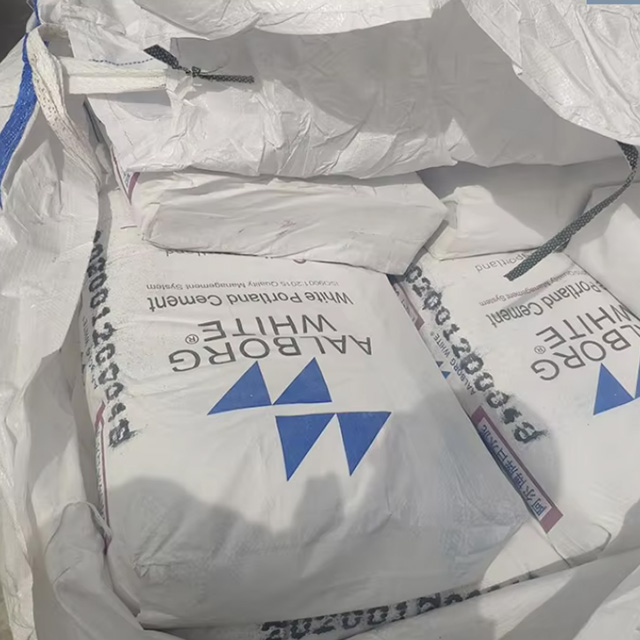
Color | Grey/White |
Usage | Construction Material |


Quick-Drying Portland Cement represents a technological advancement in hydraulic cement formulations, engineered to deliver rapid strength development and reduced curing time for time-sensitive construction projects. This specialized cement achieves significant strength gains in hours rather than days, with compressive strengths reaching 25 MPa within just 24 hours and exceeding 40 MPa at 28 days under standard conditions . Ideal for fast-track construction schedules, emergency repairs, and projects requiring rapid return to service, our quick-drying Portland cement maintains the durability of traditional Portland cement while dramatically accelerating the construction timeline. The product conforms to ASTM C150 standards for hydraulic cement and carries the CE mark under Construction Products Regulation No. 305/2011, ensuring compliance with international performance and safety requirements . Its unique formulation balances workability with rapid setting, providing sufficient time for proper placement and finishing while enabling early load application and subsequent construction phases.
The defining characteristic of Quick-Drying Portland Cement is its exceptional early strength gain, outperforming traditional cement formulations by a significant margin. This specialized cement achieves walkable strength in as little as 3 hours after application, allowing for early access to construction areas . Within 24 hours, it attains compressive strengths that ordinary cement reaches only after 28 days, typically measuring 25 N/mm² (MPa) at 1 day . By 3 days, strength increases to approximately 32 MPa, and at 28 days, it exceeds 40 MPa—meeting or exceeding the strength requirements of many standard construction applications . This rapid strength development enables faster formwork removal, reduces construction delays, and accelerates project completion timelines, providing significant cost savings through reduced labor costs and earlier project handover.
Quick-Drying Portland Cement features precisely engineered setting characteristics that balance rapid strength gain with sufficient workability time. The initial setting time is typically 60 minutes under standard conditions (20°C), providing adequate time for mixing, transporting, placing, and finishing the material before it begins to set . The final setting occurs within a predictable timeframe, ensuring consistent performance across projects. This controlled setting allows for proper consolidation and finishing without premature stiffening that can compromise surface quality. The cement's setting properties remain relatively stable across moderate temperature variations, though adjustments may be needed in extreme hot or cold conditions. Unlike some rapid-setting products that sacrifice workability for speed, our formulation maintains excellent flow properties during the working window, facilitating proper placement in complex forms and ensuring complete coverage around reinforcement.
Despite its rapid drying characteristics, Quick-Drying Portland Cement maintains versatile performance across various construction applications and environmental conditions. It performs exceptionally well in both internal and external applications, including wet areas such as swimming pools and bathrooms . The cement demonstrates good adhesion to existing concrete substrates, making it ideal for repair work where bonding strength is critical. It can be used in thicknesses ranging from 15mm to 75mm, providing flexibility for different application requirements from thin repairs to thicker placements . The material is compatible with standard concrete admixtures, allowing for further customization of properties such as workability, set time, and strength development when needed. Its rapid drying properties make it suitable for use in cold weather conditions, where extended curing times of traditional cement can cause project delays.
Quick-Drying Portland Cement delivers significant time and cost savings throughout the construction process. By enabling foot traffic within 3 hours and tile installation in as little as 4 hours, it reduces downtime between construction phases . For larger projects, this translates to faster project completion, earlier occupancy, and reduced overhead costs associated with extended construction schedules. The rapid strength development allows for earlier removal and reuse of formwork, reducing equipment rental costs and improving asset utilization. In repair applications, it minimizes service disruptions—critical for infrastructure projects, commercial facilities, and residential buildings where downtime impacts operations or quality of life. Additionally, the cement's consistent performance reduces the risk of rework and delays due to material-related issues, further contributing to overall project efficiency.
Quick-Drying Portland Cement is indispensable for fast-track construction projects where time is a critical factor. It enables rapid installation of floor screeds in commercial buildings, allowing subsequent trades to proceed within days rather than weeks . In multi-story construction, it facilitates earlier access to newly poured floors, accelerating the overall project schedule. Retail and hospitality projects benefit from the ability to complete interior finishes quickly, enabling earlier opening dates and revenue generation. The cement's rapid setting properties are particularly valuable in renovation projects where minimizing disruption to ongoing operations is essential. Construction teams working under tight deadlines or seasonal constraints rely on its performance to meet completion targets despite schedule pressures.
Emergency repair situations demand the rapid strength development provided by Quick-Drying Portland Cement. Pothole repairs and road resurfacing can be completed with the material, allowing traffic to resume within 24-48 hours compared to days or weeks required with traditional materials . Water infrastructure repairs—including leaks in concrete pipes and manholes—benefit from its quick setting to minimize service interruptions and prevent water damage. Building restoration projects use the cement for structural repairs that require rapid load-bearing capacity, ensuring safety while maintaining project momentum. In disaster recovery scenarios, it enables rapid reconstruction of critical infrastructure, supporting community recovery efforts. The material's versatility allows it to be used in both small patch repairs and larger structural rehabilitation, providing consistent performance across various emergency scenarios.
Beyond standard construction and repairs, Quick-Drying Portland Cement excels in specialized applications requiring rapid curing. Swimming pool construction and renovation utilize its water-resistant properties and quick setting to minimize project timelines, allowing earlier water filling and commissioning . Industrial facilities employ it for equipment pad installations and floor repairs, reducing production downtime. Cold storage facilities benefit from its ability to cure quickly even in lower temperatures, maintaining construction schedules in temperature-controlled environments. The cement is ideal for precast concrete production, enabling faster demolding and increased production throughput. In military construction applications, it supports rapid deployment of facilities in field conditions. Additionally, it finds use in decorative concrete applications where multiple layers or rapid prototyping of designs is required, allowing artists and designers to work more efficiently.
To maintain the performance characteristics of Quick-Drying Portland Cement, store it in a cool, dry environment with temperatures maintained between 5°C and 25°C . The storage area must be completely weather-tight to prevent moisture intrusion, which can cause premature hydration and lumping. Store bagged cement on pallets raised at least 150mm above the floor, with adequate spacing from walls to ensure air circulation. For bulk storage, use silos with waterproof seals and moisture monitoring systems to detect any water ingress. Avoid storing the cement near sources of heat or direct sunlight, as elevated temperatures can accelerate chemical reactions and reduce shelf life. The storage facility should allow for first-in, first-out inventory rotation to ensure that older stock is used before newer deliveries.
When handling Quick-Drying Portland Cement, take precautions to maintain material freshness and ensure worker safety. Keep bags sealed until immediately before use, as exposure to atmospheric moisture can initiate setting reactions. Once opened, reseal any unused material tightly in waterproof containers to prevent moisture absorption. Use mechanical handling equipment where possible to reduce manual labor and minimize bag damage . When mixing, use clean, dry mixing equipment to prevent contamination with water or other materials that could affect setting properties. Avoid creating excessive dust during handling by using enclosed transfer systems and ensuring proper ventilation in work areas. Workers should wear appropriate personal protective equipment, including dust masks, safety glasses, and gloves, to prevent inhalation of cement dust and skin contact .
Quick-Drying Portland Cement has a shelf life of 12 months from the production date when stored in unopened bags under optimal conditions . Once opened, the shelf life reduces significantly—use opened material within a few days to ensure performance. Regularly inspect stored cement for signs of moisture damage, including caking, hardening, or lumping, which indicate compromised material that should not be used. Before using cement that has been stored for extended periods, perform small-batch tests to verify setting time and strength development. Avoid using material that exhibits unusual color, odor, or texture, as these may indicate contamination or degradation. Record production dates and storage conditions for each batch to facilitate quality control and traceability. By following these storage and handling guidelines, you ensure that Quick-Drying Portland Cement maintains its rapid-setting properties and strength development characteristics when used in critical construction applications.
Name | Cement Supplies Bulk Portland Cement |
Application | Construction |
Feature | Acid-Proof, Decorative, Expansive, Radiation-Resistant, Sulfate Resistant |
Type | Portland Cement |
Hardening Feature | Extra Rapid Hardening |
Heat of Hydration | Moderate Heat |
Strength Grade(Mpa) | 32.5 / 42.5 / 52.5 ect. |
Color | Grey/White |
Usage | Construction Material |


