Glass cullet is one of the most essential materials in the glass manufacturing industry, playing a key role in recycling and sustainable production practices. By recycling cullet, manufacturers reduce energy consumption, raw material usage, and waste. In this article, we will explore the different t
How Long Does It Take for Portland Cement to Dry?Portland cement is one of the most widely used construction materials worldwide, known for its strength and versatility. Whether you're building a driveway, a foundation, or any other concrete structure, understanding the drying time of Portland cemen
Portland cement is an essential material in modern construction, and its use spans a variety of industries, from infrastructure to residential buildings. Since its invention in the early 19th century, Portland cement has revolutionized construction, enabling the creation of structures that are durab
Is Portland Cement Waterproof?Portland cement is one of the most widely used materials in construction. However, a common question arises: Is Portland cement waterproof? In its natural state, Portland cement is not waterproof, but there are various ways to enhance its water resistance. In this artic
Cement plays a vital role in the construction industry, serving as a binding agent in the creation of concrete, mortar, and other materials. Among the various types of cement, Portland cement stands out as the most commonly used. However, the term regular cement is often used interchangeably with Po
The humble pebble, often overlooked, plays a significant role in various aspects of human life and the natural environment. From its aesthetic appeal in landscaping to its practical applications in construction, the pebble serves multiple purposes that are both functional and decorative. This articl
Pebble paving is a versatile and aesthetically pleasing option for various outdoor and indoor applications. Whether used for garden pathways, driveways, or interior flooring, the natural beauty of pebbles can enhance any space. This article explores the effective installation of pebble paving, offer
Pebble leather is a popular choice in the fashion and furniture industries due to its unique texture and durability. This type of leather is characterized by its distinctive pebble-like grain, which is achieved through a specific tanning process. In this article, we will explore the quality of pebbl
The debate between using pebble and plaster for various construction and aesthetic purposes has been ongoing among architects, builders, and homeowners. The choice between these two materials often depends on factors such as durability, cost, aesthetic appeal, and environmental impact. In this artic
The natural world provides us with a myriad of materials that serve various purposes in construction, landscaping, and decoration. Among these, gravel and pebbles are commonly used, yet they often cause confusion due to their similar appearances. Understanding the differences between gravel and pebb
IntroductionPortland Cement is one of the most essential materials in modern road construction. It serves as the fundamental ingredient that binds aggregates to form concrete, providing strength and durability to infrastructure. Understanding the basics of Portland Cement is crucial for anyone invol
IntroductionOutdoor spaces serve as vital extensions of our homes, providing a venue for leisure, social gatherings, and a connection to the natural environment. Enhancing these areas with durable and aesthetically pleasing materials is essential for both functionality and visual appeal. One such ma
IntroductionIn the realm of garden design and landscape architecture, the incorporation of natural elements has always played a pivotal role in creating harmonious and aesthetically pleasing outdoor spaces. As homeowners and designers alike seek to craft gardens that are both beautiful and functiona
IntroductionIn the evolving field of sustainable construction, the use of recycled materials has become a cornerstone of environmentally conscious practices. One such material gaining significant attention is glass cullet. Derived from recycled glass products, glass cullet is finding innovative appl
The construction industry is at a pivotal point where sustainability and innovation intersect to address environmental challenges. One such innovation is the incorporation of recycled glass cullet into road base materials. This practice not only provides a feasible solution to the mounting glass was
Glass cullet, the recycled broken or waste glass used in glassmaking, plays a pivotal role in the modern glass industry.
In the modern manufacturing and environmental landscape, the value of cullet has become increasingly significant. Cullet, broken or waste glass used in glassmaking
The global recycled glass market has been witnessing significant growth over the past few years, driven by increasing environmental awareness and the push for sustainable materials.
Glass, in its myriad forms, has been an integral part of human civilization for millennia. From the delicate stained glass windows of medieval cathedrals to the robust glass used in modern skyscrapers
Cullet is a term that may not be widely recognized outside the glass manufacturing industry, yet it plays a critical role in the production of glass products. Simply put, cullet refers to recycled broken or waste glass used in the glass-making process.
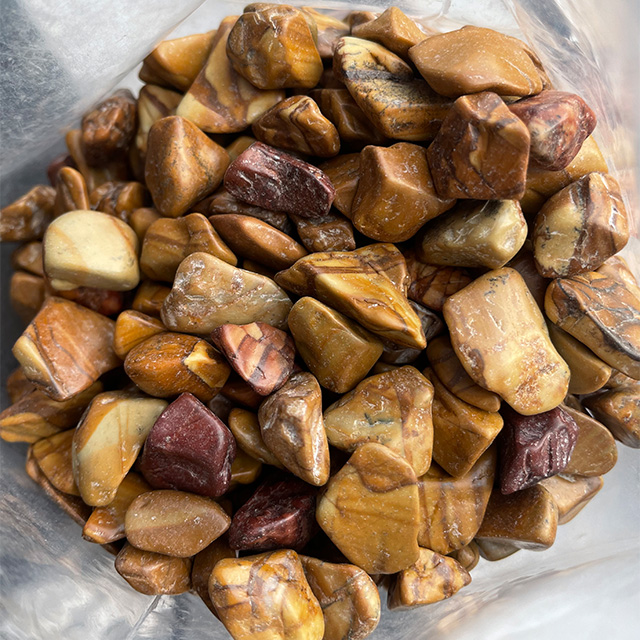
Natural Smooth Pebbles for Garden Pathways offer an organic, tactile solution for creating inviting walkways that blend seamlessly with natural landscape environments. These premium pebbles are naturally weathered by river processes, resulting in inherently smooth surfaces and rounded contours that provide safe, comfortable footing.
| Availability: | |
|---|---|
| Quantity: | |
After-sale Service | Online Technical Support. |
Application | APARTMENT |
Design Style | Modern |
Material | Natural Stone |
Place of Origin | China |
Cobble & Pebble Type | Pebble |
Sourced from sustainable riverbed deposits, our natural pebbles feature a harmonious size distribution of 15-30mm, ideal for creating pathways that balance visual interest with practical functionality. Unlike machine-processed aggregates, these naturally smoothed stones retain their authentic character with subtle color variations ranging from earthy browns and soft grays to creamy whites and muted reds. Laboratory testing confirms exceptional durability with a Mohs hardness rating of 6-7, ensuring resistance to wear even in high-traffic garden areas. With a natural porosity of <3%, these pebbles resist water retention and maintain structural integrity through seasonal changes, providing long-lasting performance for 15+ years in outdoor environments.
The defining attribute of these pathway pebbles is their naturally weathered surface, created by decades of water erosion that produces a micro-smooth finish without artificial processing. This natural smoothing creates a comfortable walking surface that's gentle on bare feet while providing secure traction—achieving a R11 slip resistance rating that exceeds standard pathway safety requirements. The smooth texture minimizes soil adhesion, allowing rainwater to wash away debris and maintain cleaner pathways between maintenance sessions. Unlike machine-polished stones that can appear artificial, these naturally smooth pebbles retain subtle surface variations that catch light and create depth in pathway designs. Their rounded contours prevent sharp edges that could cause tripping or damage to garden tools.
Our Natural Smooth Pebbles feature a carefully calibrated size range of 15-30mm with consistent gradation that ensures stable pathway construction. This size distribution creates sufficient interstitial spaces for water drainage while preventing excessive shifting under foot traffic. Laboratory compaction testing shows less than 4% settlement after installation, minimizing the need for frequent re-leveling. The uniform particle sizing allows for easier installation compared to mixed-grade aggregates, creating smoother pathways with fewer high points or depressions. This gradation also promotes healthy water infiltration, reducing runoff and supporting groundwater recharge in garden environments.
Sourced from renewable riverbed deposits using environmentally responsible harvesting practices, these natural pebbles support sustainable landscape design principles. Their inert composition contains no artificial dyes, chemicals, or treatments that could leach into soil or water systems, making them safe for gardens with edible plants and water features. The pebbles' natural texture provides habitat for beneficial insects and microorganisms that support garden ecosystems. Unlike concrete alternatives, they require minimal energy for processing—each tonne of pebbles has a carbon footprint of <0.15 tonnes CO₂e, significantly lower than manufactured pathway materials. Their natural appearance creates habitat corridors that blend with surrounding landscapes, reducing visual disruption to wildlife.
Designed to withstand diverse climate conditions, Natural Smooth Pebbles exhibit exceptional freeze-thaw resistance, enduring over 400 freeze-thaw cycles without cracking or degradation. Their low water absorption rate (<3%) prevents ice expansion damage in cold climates, maintaining pathway integrity through winter months. In hot climates, the light-reflective properties of lighter-colored pebbles reduce surface temperatures by 5-8°C compared to dark asphalt pathways, creating more comfortable walking surfaces during summer. The material's thermal stability prevents excessive expansion/contraction that can displace pathway materials, ensuring consistent performance across temperature extremes from -25°C to 40°C.
Home gardeners utilize these natural pebbles to create winding pathways through woodland gardens, cottage gardens, and naturalistic landscapes where organic aesthetics are prioritized. Paths connecting garden "rooms"—from vegetable plots to relaxation areas—benefit from the pebbles' natural appearance that complements surrounding vegetation. Family gardens appreciate the smooth texture that's safe for children's play areas adjacent to pathways. The material's permeability makes it ideal for rain gardens and eco-friendly landscapes where water infiltration is prioritized over runoff.
Therapeutic garden designs incorporate these smooth pebbles in sensory pathways that provide tactile stimulation through barefoot walking, known to promote relaxation and sensory integration. Memory care facilities use the consistent texture and natural appearance to create familiar, non-institutional pathways that reduce confusion. Healing gardens in healthcare settings utilize the pebbles' organic qualities to create calming environments that support patient recovery. The sound of pebbles shifting underfoot adds auditory dimension to sensory garden experiences.
Surrounding swimming pools, hot tubs, and water features, these natural pebbles create slip-resistant surfaces that complement aquatic environments. Their smooth texture feels comfortable on wet feet while providing secure traction, reducing slip hazards around water. Pool deck edges and transition zones between water features and garden areas benefit from the pebbles' natural drainage properties that prevent standing water. The stones' neutral color palette enhances water reflections while maintaining a natural aesthetic that complements poolside plantings.
Historic garden restorations and conservation projects specify these natural pebbles for their authentic appearance that matches traditional pathway materials. Botanical gardens use the pebbles in naturalistic plantings where man-made materials would disrupt educational displays about native ecosystems. Wildlife gardens incorporate the pebbles in pathways that wind through habitat plantings, with their porous structure creating small water collection points for birds and insects. The material's longevity ensures pathway preservation for future generations to appreciate.
Store Natural Smooth Pebbles in a covered, open-sided structure that provides protection from direct rainfall while allowing adequate air circulation. This prevents moisture buildup that can cause mildew growth on damp stones. Use sturdy wooden pallets or raised platforms to elevate pebbles at least 150mm above ground level, preventing contact with soil and groundwater. For extended storage (over 3 months), cover with breathable landscape fabric rather than plastic sheeting to allow moisture evaporation while keeping out debris. Maintain storage piles no higher than 1.2m to prevent compaction and pressure damage to stones at the bottom of the pile.
Handle pebble containers or bulk bags with forklifts or pallet jacks rather than dragging, to prevent unnecessary abrasion that can dull natural surfaces. When manually moving smaller quantities, use wide, shallow containers to minimize stone-on-stone friction. Avoid mixing different size batches in storage to maintain the carefully calibrated gradation critical for proper pathway performance. For large projects, store pebbles in the same climate conditions as installation site for 48-72 hours before use to allow temperature acclimation, reducing post-installation shifting.
Inspect pebble deliveries upon arrival for excessive dust, mud, or foreign materials that may require washing before installation. If washing is necessary, use clean water and allow pebbles to dry completely before installation to prevent color discoloration. Sort through stored pebbles periodically (every 3 months for long-term storage) to remove any stones showing signs of unusual degradation, typically less than 1% of total material. For color-sensitive projects, store different color varieties separately and label with harvest location and date to ensure consistent appearance in final installation. By maintaining proper storage conditions, these natural pebbles retain their inherent smoothness and authentic character until installation.


After-sale Service | Online Technical Support. |
Application | APARTMENT |
Design Style | Modern |
Material | Natural Stone |
Place of Origin | China |
Cobble & Pebble Type | Pebble |
Sourced from sustainable riverbed deposits, our natural pebbles feature a harmonious size distribution of 15-30mm, ideal for creating pathways that balance visual interest with practical functionality. Unlike machine-processed aggregates, these naturally smoothed stones retain their authentic character with subtle color variations ranging from earthy browns and soft grays to creamy whites and muted reds. Laboratory testing confirms exceptional durability with a Mohs hardness rating of 6-7, ensuring resistance to wear even in high-traffic garden areas. With a natural porosity of <3%, these pebbles resist water retention and maintain structural integrity through seasonal changes, providing long-lasting performance for 15+ years in outdoor environments.
The defining attribute of these pathway pebbles is their naturally weathered surface, created by decades of water erosion that produces a micro-smooth finish without artificial processing. This natural smoothing creates a comfortable walking surface that's gentle on bare feet while providing secure traction—achieving a R11 slip resistance rating that exceeds standard pathway safety requirements. The smooth texture minimizes soil adhesion, allowing rainwater to wash away debris and maintain cleaner pathways between maintenance sessions. Unlike machine-polished stones that can appear artificial, these naturally smooth pebbles retain subtle surface variations that catch light and create depth in pathway designs. Their rounded contours prevent sharp edges that could cause tripping or damage to garden tools.
Our Natural Smooth Pebbles feature a carefully calibrated size range of 15-30mm with consistent gradation that ensures stable pathway construction. This size distribution creates sufficient interstitial spaces for water drainage while preventing excessive shifting under foot traffic. Laboratory compaction testing shows less than 4% settlement after installation, minimizing the need for frequent re-leveling. The uniform particle sizing allows for easier installation compared to mixed-grade aggregates, creating smoother pathways with fewer high points or depressions. This gradation also promotes healthy water infiltration, reducing runoff and supporting groundwater recharge in garden environments.
Sourced from renewable riverbed deposits using environmentally responsible harvesting practices, these natural pebbles support sustainable landscape design principles. Their inert composition contains no artificial dyes, chemicals, or treatments that could leach into soil or water systems, making them safe for gardens with edible plants and water features. The pebbles' natural texture provides habitat for beneficial insects and microorganisms that support garden ecosystems. Unlike concrete alternatives, they require minimal energy for processing—each tonne of pebbles has a carbon footprint of <0.15 tonnes CO₂e, significantly lower than manufactured pathway materials. Their natural appearance creates habitat corridors that blend with surrounding landscapes, reducing visual disruption to wildlife.
Designed to withstand diverse climate conditions, Natural Smooth Pebbles exhibit exceptional freeze-thaw resistance, enduring over 400 freeze-thaw cycles without cracking or degradation. Their low water absorption rate (<3%) prevents ice expansion damage in cold climates, maintaining pathway integrity through winter months. In hot climates, the light-reflective properties of lighter-colored pebbles reduce surface temperatures by 5-8°C compared to dark asphalt pathways, creating more comfortable walking surfaces during summer. The material's thermal stability prevents excessive expansion/contraction that can displace pathway materials, ensuring consistent performance across temperature extremes from -25°C to 40°C.
Home gardeners utilize these natural pebbles to create winding pathways through woodland gardens, cottage gardens, and naturalistic landscapes where organic aesthetics are prioritized. Paths connecting garden "rooms"—from vegetable plots to relaxation areas—benefit from the pebbles' natural appearance that complements surrounding vegetation. Family gardens appreciate the smooth texture that's safe for children's play areas adjacent to pathways. The material's permeability makes it ideal for rain gardens and eco-friendly landscapes where water infiltration is prioritized over runoff.
Therapeutic garden designs incorporate these smooth pebbles in sensory pathways that provide tactile stimulation through barefoot walking, known to promote relaxation and sensory integration. Memory care facilities use the consistent texture and natural appearance to create familiar, non-institutional pathways that reduce confusion. Healing gardens in healthcare settings utilize the pebbles' organic qualities to create calming environments that support patient recovery. The sound of pebbles shifting underfoot adds auditory dimension to sensory garden experiences.
Surrounding swimming pools, hot tubs, and water features, these natural pebbles create slip-resistant surfaces that complement aquatic environments. Their smooth texture feels comfortable on wet feet while providing secure traction, reducing slip hazards around water. Pool deck edges and transition zones between water features and garden areas benefit from the pebbles' natural drainage properties that prevent standing water. The stones' neutral color palette enhances water reflections while maintaining a natural aesthetic that complements poolside plantings.
Historic garden restorations and conservation projects specify these natural pebbles for their authentic appearance that matches traditional pathway materials. Botanical gardens use the pebbles in naturalistic plantings where man-made materials would disrupt educational displays about native ecosystems. Wildlife gardens incorporate the pebbles in pathways that wind through habitat plantings, with their porous structure creating small water collection points for birds and insects. The material's longevity ensures pathway preservation for future generations to appreciate.
Store Natural Smooth Pebbles in a covered, open-sided structure that provides protection from direct rainfall while allowing adequate air circulation. This prevents moisture buildup that can cause mildew growth on damp stones. Use sturdy wooden pallets or raised platforms to elevate pebbles at least 150mm above ground level, preventing contact with soil and groundwater. For extended storage (over 3 months), cover with breathable landscape fabric rather than plastic sheeting to allow moisture evaporation while keeping out debris. Maintain storage piles no higher than 1.2m to prevent compaction and pressure damage to stones at the bottom of the pile.
Handle pebble containers or bulk bags with forklifts or pallet jacks rather than dragging, to prevent unnecessary abrasion that can dull natural surfaces. When manually moving smaller quantities, use wide, shallow containers to minimize stone-on-stone friction. Avoid mixing different size batches in storage to maintain the carefully calibrated gradation critical for proper pathway performance. For large projects, store pebbles in the same climate conditions as installation site for 48-72 hours before use to allow temperature acclimation, reducing post-installation shifting.
Inspect pebble deliveries upon arrival for excessive dust, mud, or foreign materials that may require washing before installation. If washing is necessary, use clean water and allow pebbles to dry completely before installation to prevent color discoloration. Sort through stored pebbles periodically (every 3 months for long-term storage) to remove any stones showing signs of unusual degradation, typically less than 1% of total material. For color-sensitive projects, store different color varieties separately and label with harvest location and date to ensure consistent appearance in final installation. By maintaining proper storage conditions, these natural pebbles retain their inherent smoothness and authentic character until installation.


