Glass cullet is one of the most essential materials in the glass manufacturing industry, playing a key role in recycling and sustainable production practices. By recycling cullet, manufacturers reduce energy consumption, raw material usage, and waste. In this article, we will explore the different t
How Long Does It Take for Portland Cement to Dry?Portland cement is one of the most widely used construction materials worldwide, known for its strength and versatility. Whether you're building a driveway, a foundation, or any other concrete structure, understanding the drying time of Portland cemen
Portland cement is an essential material in modern construction, and its use spans a variety of industries, from infrastructure to residential buildings. Since its invention in the early 19th century, Portland cement has revolutionized construction, enabling the creation of structures that are durab
Is Portland Cement Waterproof?Portland cement is one of the most widely used materials in construction. However, a common question arises: Is Portland cement waterproof? In its natural state, Portland cement is not waterproof, but there are various ways to enhance its water resistance. In this artic
Cement plays a vital role in the construction industry, serving as a binding agent in the creation of concrete, mortar, and other materials. Among the various types of cement, Portland cement stands out as the most commonly used. However, the term regular cement is often used interchangeably with Po
The humble pebble, often overlooked, plays a significant role in various aspects of human life and the natural environment. From its aesthetic appeal in landscaping to its practical applications in construction, the pebble serves multiple purposes that are both functional and decorative. This articl
Pebble paving is a versatile and aesthetically pleasing option for various outdoor and indoor applications. Whether used for garden pathways, driveways, or interior flooring, the natural beauty of pebbles can enhance any space. This article explores the effective installation of pebble paving, offer
Pebble leather is a popular choice in the fashion and furniture industries due to its unique texture and durability. This type of leather is characterized by its distinctive pebble-like grain, which is achieved through a specific tanning process. In this article, we will explore the quality of pebbl
The debate between using pebble and plaster for various construction and aesthetic purposes has been ongoing among architects, builders, and homeowners. The choice between these two materials often depends on factors such as durability, cost, aesthetic appeal, and environmental impact. In this artic
The natural world provides us with a myriad of materials that serve various purposes in construction, landscaping, and decoration. Among these, gravel and pebbles are commonly used, yet they often cause confusion due to their similar appearances. Understanding the differences between gravel and pebb
IntroductionPortland Cement is one of the most essential materials in modern road construction. It serves as the fundamental ingredient that binds aggregates to form concrete, providing strength and durability to infrastructure. Understanding the basics of Portland Cement is crucial for anyone invol
IntroductionOutdoor spaces serve as vital extensions of our homes, providing a venue for leisure, social gatherings, and a connection to the natural environment. Enhancing these areas with durable and aesthetically pleasing materials is essential for both functionality and visual appeal. One such ma
IntroductionIn the realm of garden design and landscape architecture, the incorporation of natural elements has always played a pivotal role in creating harmonious and aesthetically pleasing outdoor spaces. As homeowners and designers alike seek to craft gardens that are both beautiful and functiona
IntroductionIn the evolving field of sustainable construction, the use of recycled materials has become a cornerstone of environmentally conscious practices. One such material gaining significant attention is glass cullet. Derived from recycled glass products, glass cullet is finding innovative appl
The construction industry is at a pivotal point where sustainability and innovation intersect to address environmental challenges. One such innovation is the incorporation of recycled glass cullet into road base materials. This practice not only provides a feasible solution to the mounting glass was
Glass cullet, the recycled broken or waste glass used in glassmaking, plays a pivotal role in the modern glass industry.
In the modern manufacturing and environmental landscape, the value of cullet has become increasingly significant. Cullet, broken or waste glass used in glassmaking
The global recycled glass market has been witnessing significant growth over the past few years, driven by increasing environmental awareness and the push for sustainable materials.
Glass, in its myriad forms, has been an integral part of human civilization for millennia. From the delicate stained glass windows of medieval cathedrals to the robust glass used in modern skyscrapers
Cullet is a term that may not be widely recognized outside the glass manufacturing industry, yet it plays a critical role in the production of glass products. Simply put, cullet refers to recycled broken or waste glass used in the glass-making process.
Our decorative glass cullet undergoes specialized processing to achieve consistent particle sizes and vibrant color retention, ensuring both visual impact and environmental responsibility.
| Availability: | |
|---|---|
| Quantity: | |
Name | Glass crumb |
Size | 4-6 mesh/6-8 mesh/10-20 mesh/16-30 mesh |
Application | Fish tank, Bonsai, Paving |
Quality | Top Grade |
Application | Courtyard, Office Building, Decoration |
Each tonne of decorative glass cullet produced saves approximately 1.2 tonnes of raw materials and reduces carbon emissions by up to 30% compared to virgin glass production. Available in an extensive color palette including transparent, opaque, and iridescent options, this material empowers designers to create unique visual experiences while supporting circular economy principles.
The translucent to semi-transparent nature of decorative glass cullet creates dynamic light interactions that enhance any space. When illuminated, cullet particles refract light to produce subtle sparkle and depth, with light transmission rates ranging from 60-85% depending on color and particle size. This light-play effect intensifies under natural sunlight and artificial lighting, creating ever-changing visual experiences throughout the day. Unlike solid stone or ceramic materials, glass cullet introduces luminosity to designs, making spaces feel brighter and more expansive. The reflective qualities make it particularly effective in creating focal points and accent features that draw the eye.
Our decorative glass cullet is available in over 20 standard colors including spectrum blues, greens, ambers, and specialty options like dichroic and frosted finishes. This extensive palette allows for unlimited custom color blending to match specific design requirements or brand identities. Each color maintains exceptional fade resistance, with UV stability testing showing less than 5% color change after 10,000 hours of exposure—ensuring long-lasting vibrancy in both interior and covered exterior applications. Color consistency across production batches ensures uniform appearance in large installations, while controlled variations add organic visual interest to decorative elements.
With its high recycled content and low environmental impact, decorative glass cullet helps projects achieve sustainability certifications such as LEED, BREEAM, and Green Globes. The material contributes to multiple credit categories including recycled content, waste reduction, and indoor environmental quality. Our production process operates on 100% renewable electricity, further reducing the carbon footprint associated with manufacturing. Each project using decorative glass cullet can quantify its environmental contribution through our sustainability calculator, which estimates diverted waste, energy savings, and carbon reductions—providing valuable marketing assets for eco-conscious brands and developers.
Decorative glass cullet demonstrates excellent compatibility with various binding agents and substrates, expanding its application potential. It integrates seamlessly with epoxy resins for cast surfaces and art installations, polyurethane binders for flexible applications, and cementitious materials for structural decorative elements. The cullet's inert composition ensures chemical compatibility with most adhesives, sealants, and finishes, preventing discoloration or degradation over time. This versatility allows it to transition between interior applications like wall panels and exterior uses such as garden features, maintaining consistent performance across diverse environments.
Decorative glass cullet creates striking interior features that combine sustainability with luxury aesthetics. Backlit wall panels and accent walls utilize the material's light-transmitting properties to create ambient lighting effects in residential living rooms, hotel lobbies, and corporate reception areas. Custom countertops and table surfaces incorporate cullet aggregates for unique, speckled patterns that become conversation pieces in high-end kitchens and executive offices. Floor medallions and inlays use colored cullet to create intricate designs that define spaces within larger flooring installations. Furniture designers incorporate cullet into tabletops and decorative elements, adding texture and visual interest to custom pieces.
Artists and architects utilize eco-friendly glass cullet to create distinctive public art installations and architectural details. Monumental sculptures leverage the material's durability and light interaction to create dynamic pieces for parks and plazas. Mosaic murals combine different colored cullets to produce vibrant, long-lasting artworks in transit stations, airports, and public buildings. Custom fireplace surrounds and hearths incorporate glass cullet for heat-resistant decorative surfaces that catch and reflect firelight beautifully. Ceiling features and light fixtures use the material's translucent properties to diffuse light evenly while adding textural interest to overhead spaces.
In exterior settings, decorative glass cullet enhances landscapes while maintaining environmental responsibility. Garden pathways and stepping stones incorporate colored cullet to create visually engaging walkways that sparkle in sunlight. Water features and fountain surrounds use glass cullet to reflect light on moving water, creating dazzling effects in residential gardens and commercial landscapes. Decorative mulch alternatives made from cullet provide long-lasting ground cover that won't decompose or require replacement like organic materials. Retaining walls and garden borders utilize cullet-infused concrete for both structural integrity and decorative appeal in sustainable landscape designs.
Store decorative glass cullet in sealed, color-coded containers to prevent cross-contamination and maintain color integrity. The storage area should be a dry, covered space with temperature maintained between 15-25°C to prevent moisture absorption and condensation. For bulk quantities, use covered bins with secure lids and labeled compartments for different colors and particle sizes. Maintain a clean storage environment free from dust, dirt, and organic materials that could stain or contaminate the glass particles. Avoid storing cullet near sources of intense heat or direct sunlight, which can cause color fading in certain specialty varieties.
When handling decorative glass cullet, wear appropriate personal protective equipment including safety glasses, dust masks, and gloves to prevent injury from sharp edges and dust inhalation. Use clean, dry tools dedicated to specific colors to avoid cross-contamination between batches. When transferring material, use wide-mouthed containers to minimize spillage and breakage of particles. Avoid dropping or impacting cullet containers, as excessive force can create unwanted fines or alter particle size distribution. For large projects, store color-matched batches together and label them with production dates to ensure consistent appearance throughout installation.
Inspect glass cullet upon delivery and before use for any signs of contamination, moisture clumping, or color inconsistency. Sift material through appropriate mesh screens if necessary to remove any oversized particles or fines that could affect appearance. If stored for extended periods (more than 6 months), re-inspect cullet for any signs of degradation or color change before incorporating into critical design elements. Keep material containers tightly sealed when not in use to prevent dust accumulation and moisture absorption. By maintaining proper storage conditions, decorative glass cullet retains its aesthetic properties and performance characteristics until installation.


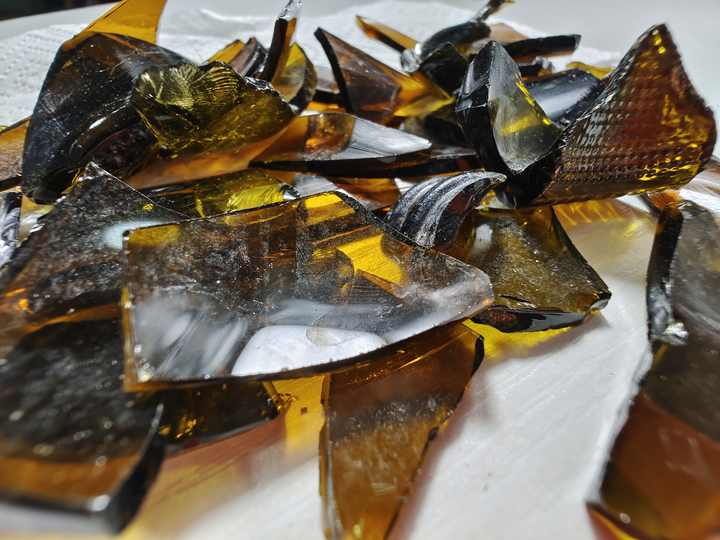
Name | Glass crumb |
Size | 4-6 mesh/6-8 mesh/10-20 mesh/16-30 mesh |
Application | Fish tank, Bonsai, Paving |
Quality | Top Grade |
Application | Courtyard, Office Building, Decoration |
Each tonne of decorative glass cullet produced saves approximately 1.2 tonnes of raw materials and reduces carbon emissions by up to 30% compared to virgin glass production. Available in an extensive color palette including transparent, opaque, and iridescent options, this material empowers designers to create unique visual experiences while supporting circular economy principles.
The translucent to semi-transparent nature of decorative glass cullet creates dynamic light interactions that enhance any space. When illuminated, cullet particles refract light to produce subtle sparkle and depth, with light transmission rates ranging from 60-85% depending on color and particle size. This light-play effect intensifies under natural sunlight and artificial lighting, creating ever-changing visual experiences throughout the day. Unlike solid stone or ceramic materials, glass cullet introduces luminosity to designs, making spaces feel brighter and more expansive. The reflective qualities make it particularly effective in creating focal points and accent features that draw the eye.
Our decorative glass cullet is available in over 20 standard colors including spectrum blues, greens, ambers, and specialty options like dichroic and frosted finishes. This extensive palette allows for unlimited custom color blending to match specific design requirements or brand identities. Each color maintains exceptional fade resistance, with UV stability testing showing less than 5% color change after 10,000 hours of exposure—ensuring long-lasting vibrancy in both interior and covered exterior applications. Color consistency across production batches ensures uniform appearance in large installations, while controlled variations add organic visual interest to decorative elements.
With its high recycled content and low environmental impact, decorative glass cullet helps projects achieve sustainability certifications such as LEED, BREEAM, and Green Globes. The material contributes to multiple credit categories including recycled content, waste reduction, and indoor environmental quality. Our production process operates on 100% renewable electricity, further reducing the carbon footprint associated with manufacturing. Each project using decorative glass cullet can quantify its environmental contribution through our sustainability calculator, which estimates diverted waste, energy savings, and carbon reductions—providing valuable marketing assets for eco-conscious brands and developers.
Decorative glass cullet demonstrates excellent compatibility with various binding agents and substrates, expanding its application potential. It integrates seamlessly with epoxy resins for cast surfaces and art installations, polyurethane binders for flexible applications, and cementitious materials for structural decorative elements. The cullet's inert composition ensures chemical compatibility with most adhesives, sealants, and finishes, preventing discoloration or degradation over time. This versatility allows it to transition between interior applications like wall panels and exterior uses such as garden features, maintaining consistent performance across diverse environments.
Decorative glass cullet creates striking interior features that combine sustainability with luxury aesthetics. Backlit wall panels and accent walls utilize the material's light-transmitting properties to create ambient lighting effects in residential living rooms, hotel lobbies, and corporate reception areas. Custom countertops and table surfaces incorporate cullet aggregates for unique, speckled patterns that become conversation pieces in high-end kitchens and executive offices. Floor medallions and inlays use colored cullet to create intricate designs that define spaces within larger flooring installations. Furniture designers incorporate cullet into tabletops and decorative elements, adding texture and visual interest to custom pieces.
Artists and architects utilize eco-friendly glass cullet to create distinctive public art installations and architectural details. Monumental sculptures leverage the material's durability and light interaction to create dynamic pieces for parks and plazas. Mosaic murals combine different colored cullets to produce vibrant, long-lasting artworks in transit stations, airports, and public buildings. Custom fireplace surrounds and hearths incorporate glass cullet for heat-resistant decorative surfaces that catch and reflect firelight beautifully. Ceiling features and light fixtures use the material's translucent properties to diffuse light evenly while adding textural interest to overhead spaces.
In exterior settings, decorative glass cullet enhances landscapes while maintaining environmental responsibility. Garden pathways and stepping stones incorporate colored cullet to create visually engaging walkways that sparkle in sunlight. Water features and fountain surrounds use glass cullet to reflect light on moving water, creating dazzling effects in residential gardens and commercial landscapes. Decorative mulch alternatives made from cullet provide long-lasting ground cover that won't decompose or require replacement like organic materials. Retaining walls and garden borders utilize cullet-infused concrete for both structural integrity and decorative appeal in sustainable landscape designs.
Store decorative glass cullet in sealed, color-coded containers to prevent cross-contamination and maintain color integrity. The storage area should be a dry, covered space with temperature maintained between 15-25°C to prevent moisture absorption and condensation. For bulk quantities, use covered bins with secure lids and labeled compartments for different colors and particle sizes. Maintain a clean storage environment free from dust, dirt, and organic materials that could stain or contaminate the glass particles. Avoid storing cullet near sources of intense heat or direct sunlight, which can cause color fading in certain specialty varieties.
When handling decorative glass cullet, wear appropriate personal protective equipment including safety glasses, dust masks, and gloves to prevent injury from sharp edges and dust inhalation. Use clean, dry tools dedicated to specific colors to avoid cross-contamination between batches. When transferring material, use wide-mouthed containers to minimize spillage and breakage of particles. Avoid dropping or impacting cullet containers, as excessive force can create unwanted fines or alter particle size distribution. For large projects, store color-matched batches together and label them with production dates to ensure consistent appearance throughout installation.
Inspect glass cullet upon delivery and before use for any signs of contamination, moisture clumping, or color inconsistency. Sift material through appropriate mesh screens if necessary to remove any oversized particles or fines that could affect appearance. If stored for extended periods (more than 6 months), re-inspect cullet for any signs of degradation or color change before incorporating into critical design elements. Keep material containers tightly sealed when not in use to prevent dust accumulation and moisture absorption. By maintaining proper storage conditions, decorative glass cullet retains its aesthetic properties and performance characteristics until installation.


